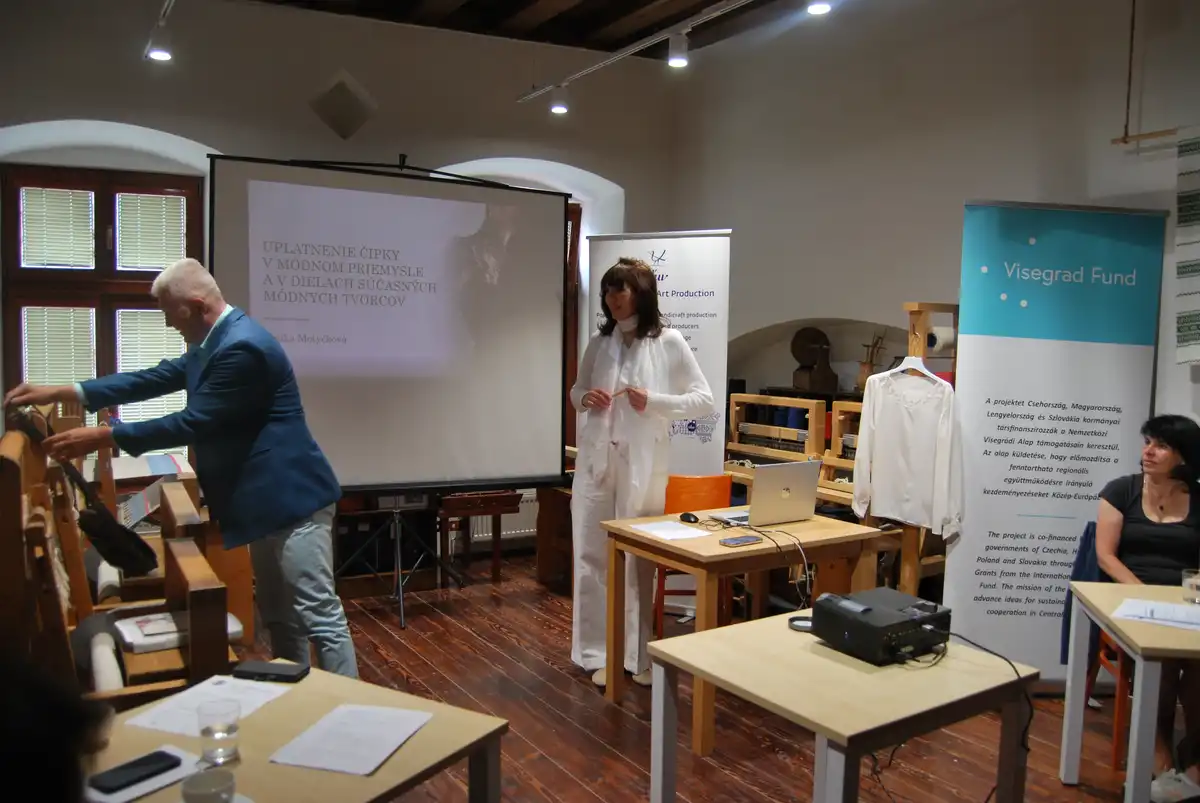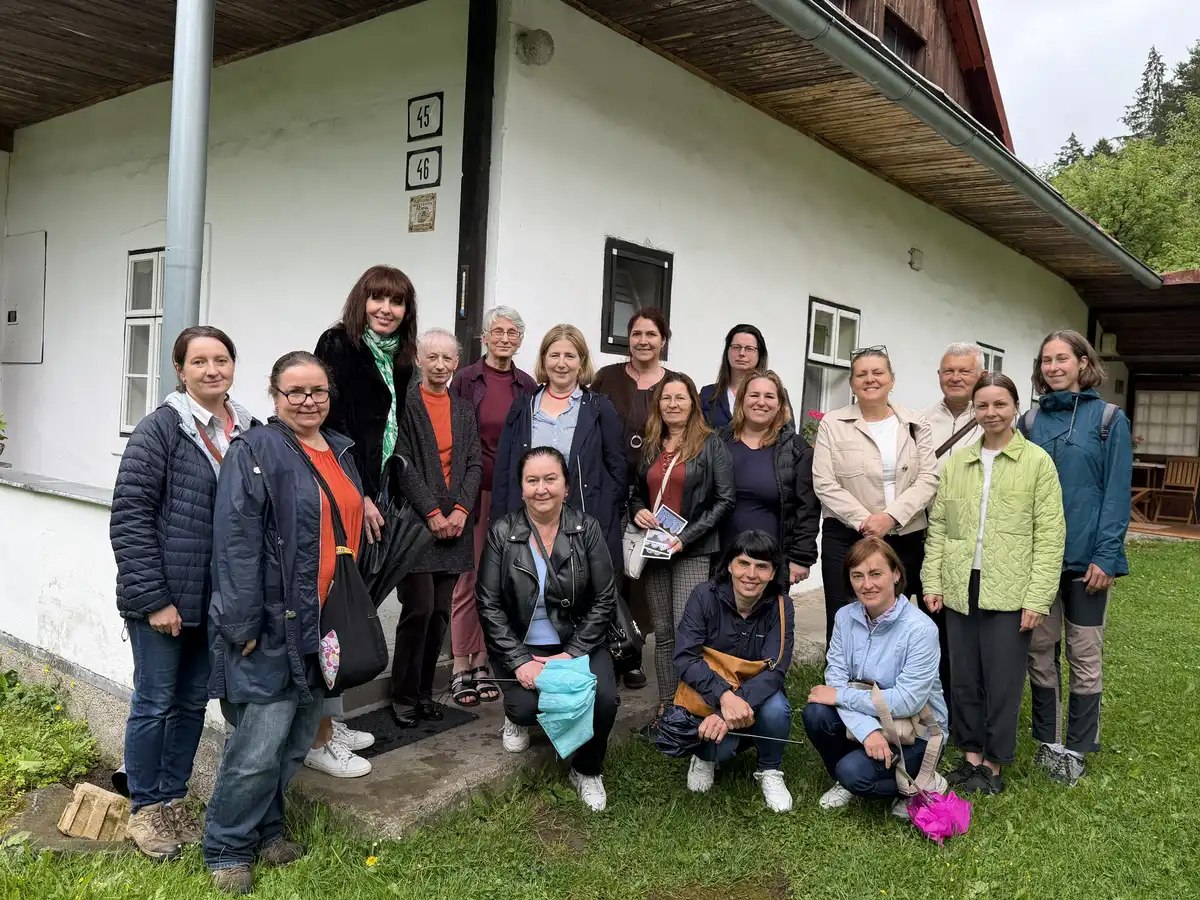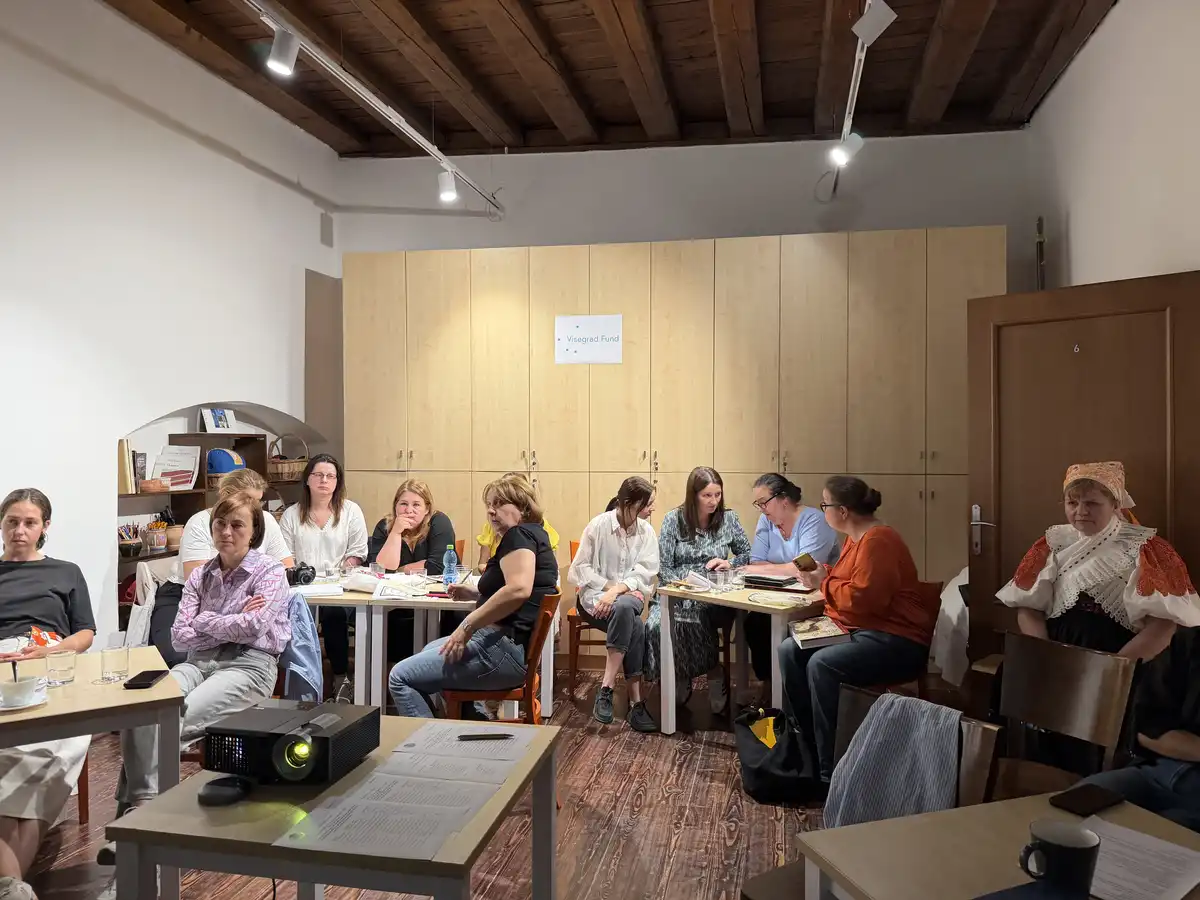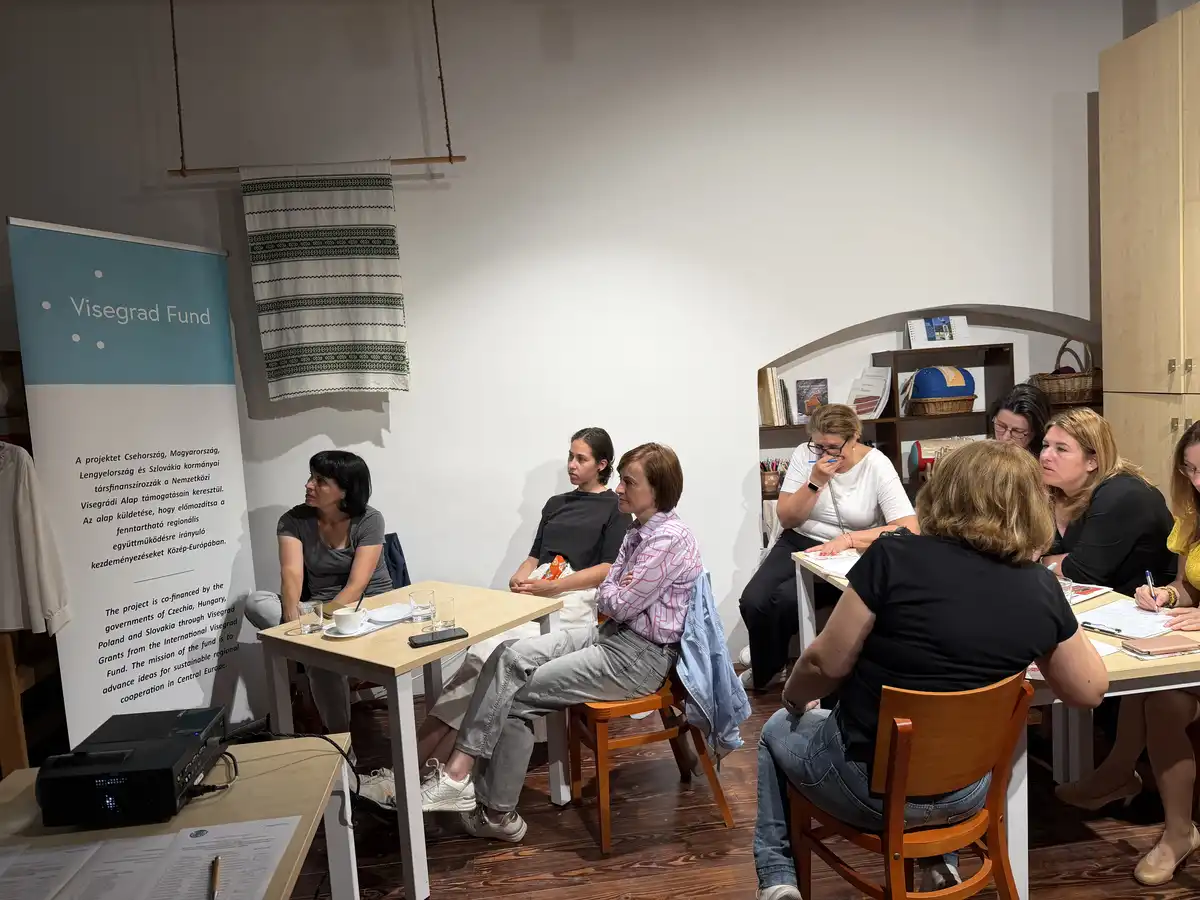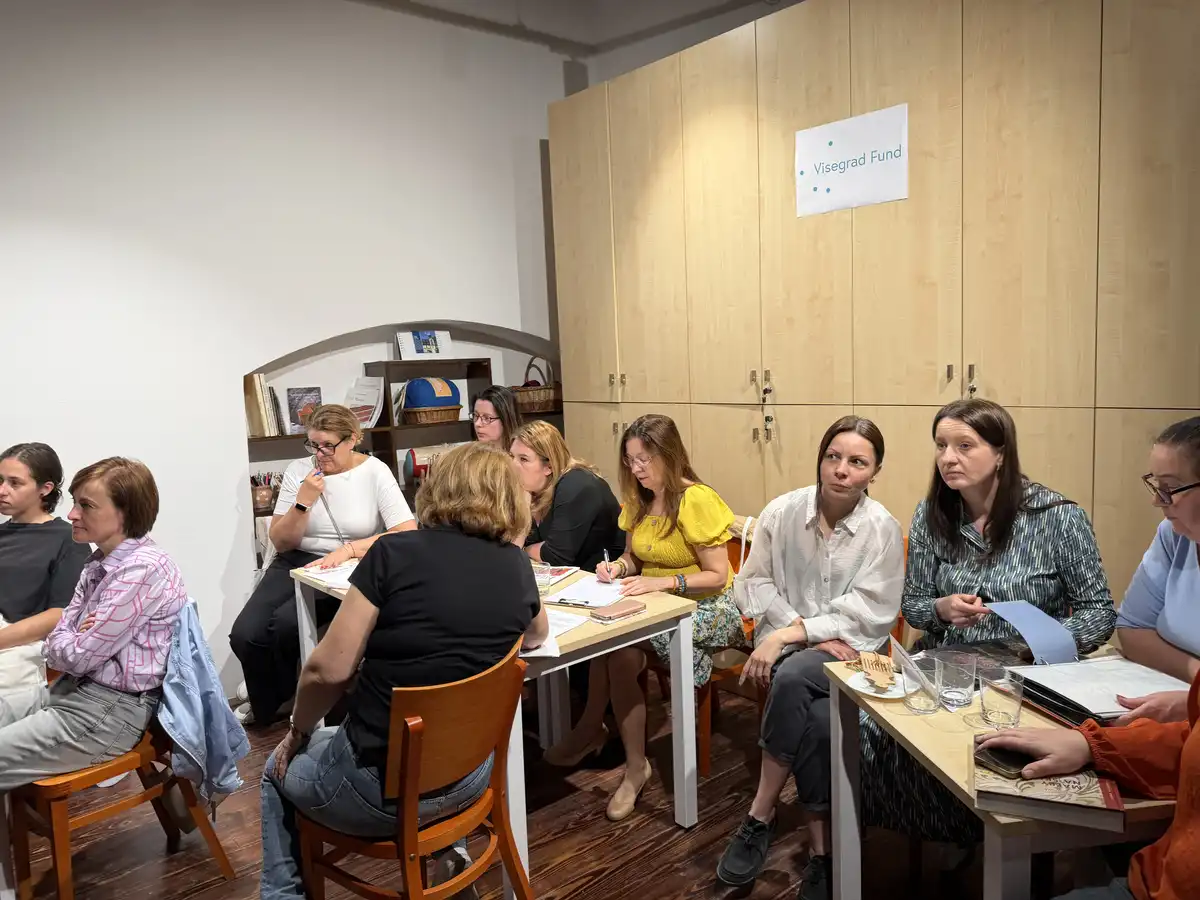

Four countries, four languages, one shared treasure: lace. The second workshop of the program took place between June 4–8, 2026, in Banská Bystrica, where artisans, ethnographers, museum professionals, and folk costume researchers gathered to showcase the folk craft traditions of the four countries to each other and the world.
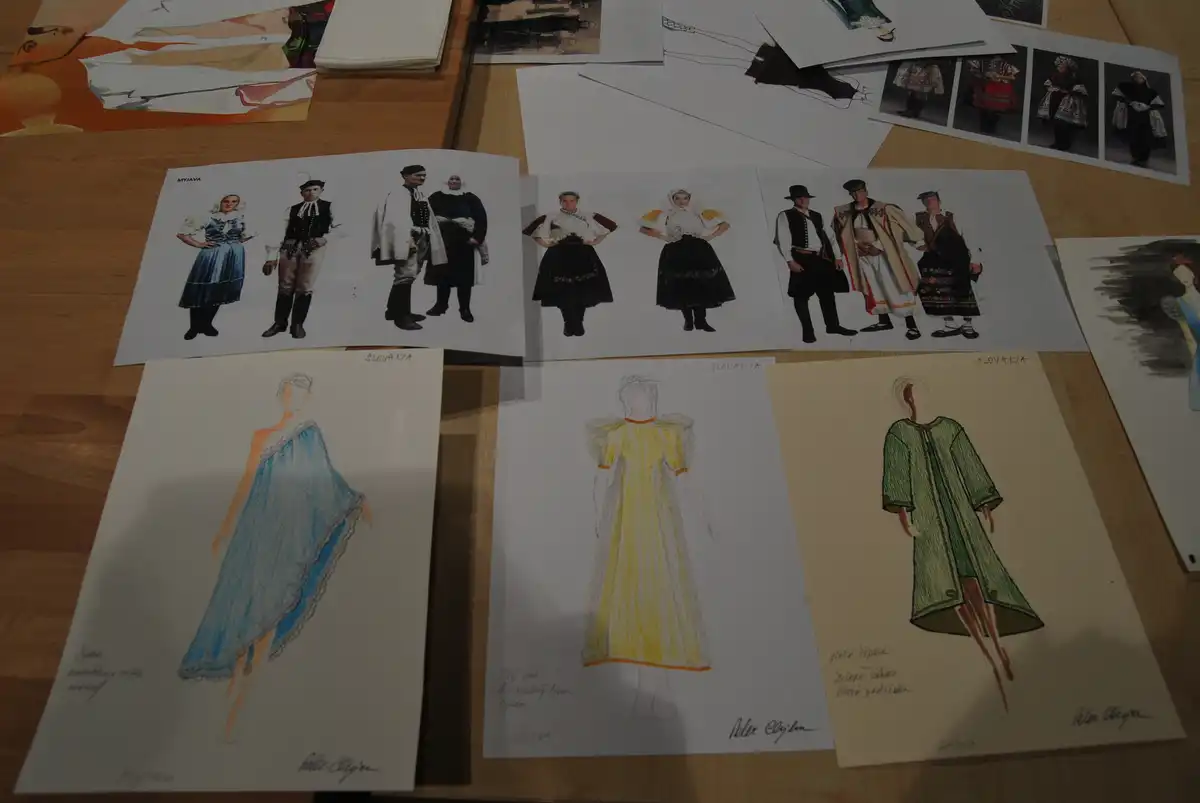
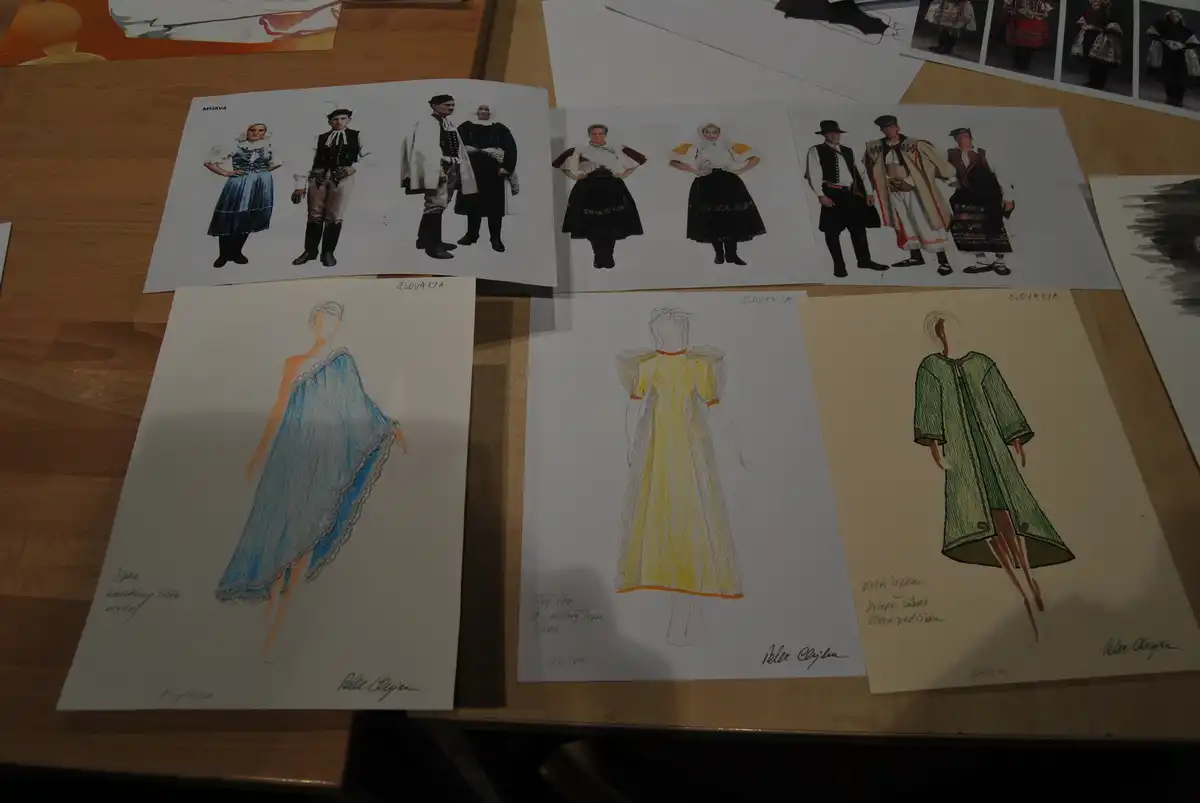
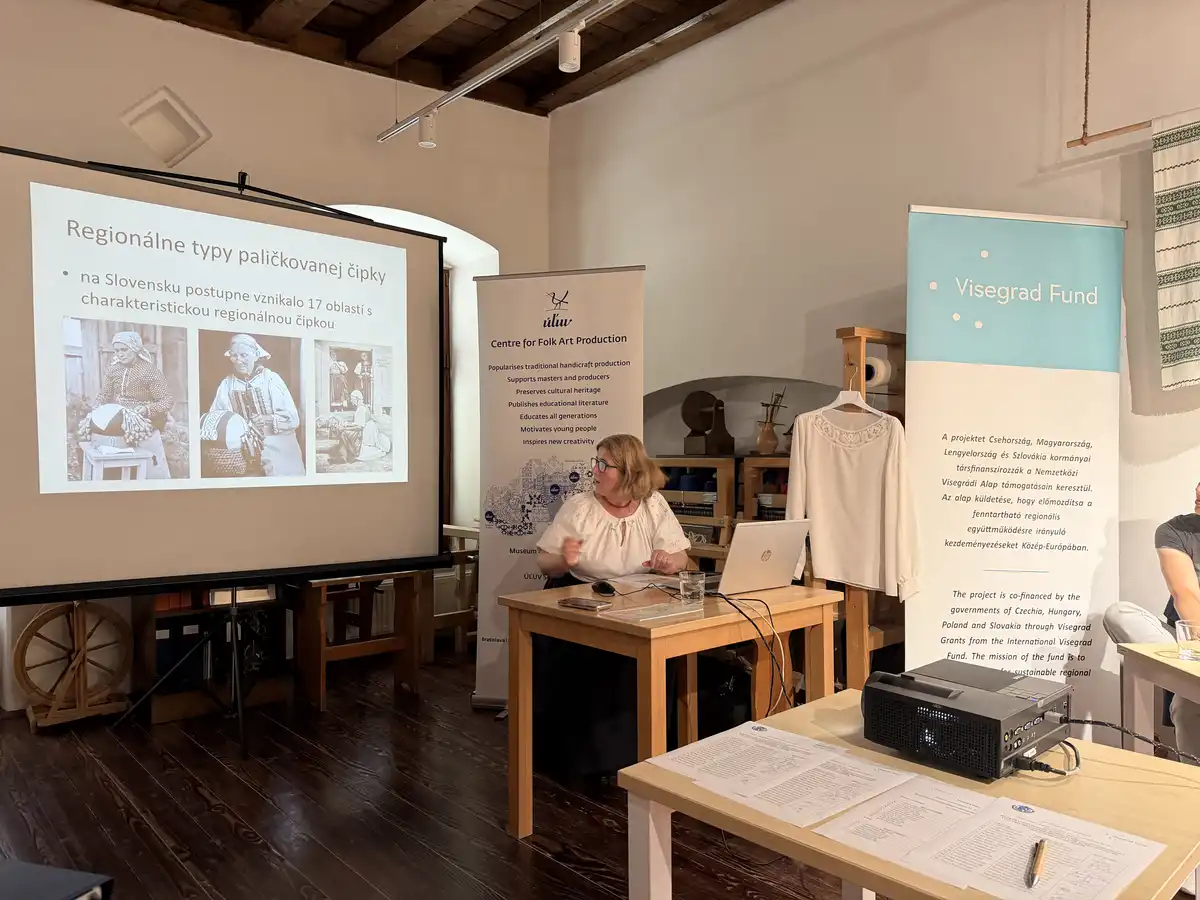
The three-day professional program provided not only techniques and knowledge, but also personal connections, new perspectives, and the shared realization that preserving folk heritage is a common interest for all participating countries. The second day of the program began with an introduction to three distinct regions of Slovakia: the traditional costumes of Myjava, Gemer, and Detva were presented through lectures, alongside the cultural and historical background of each region.
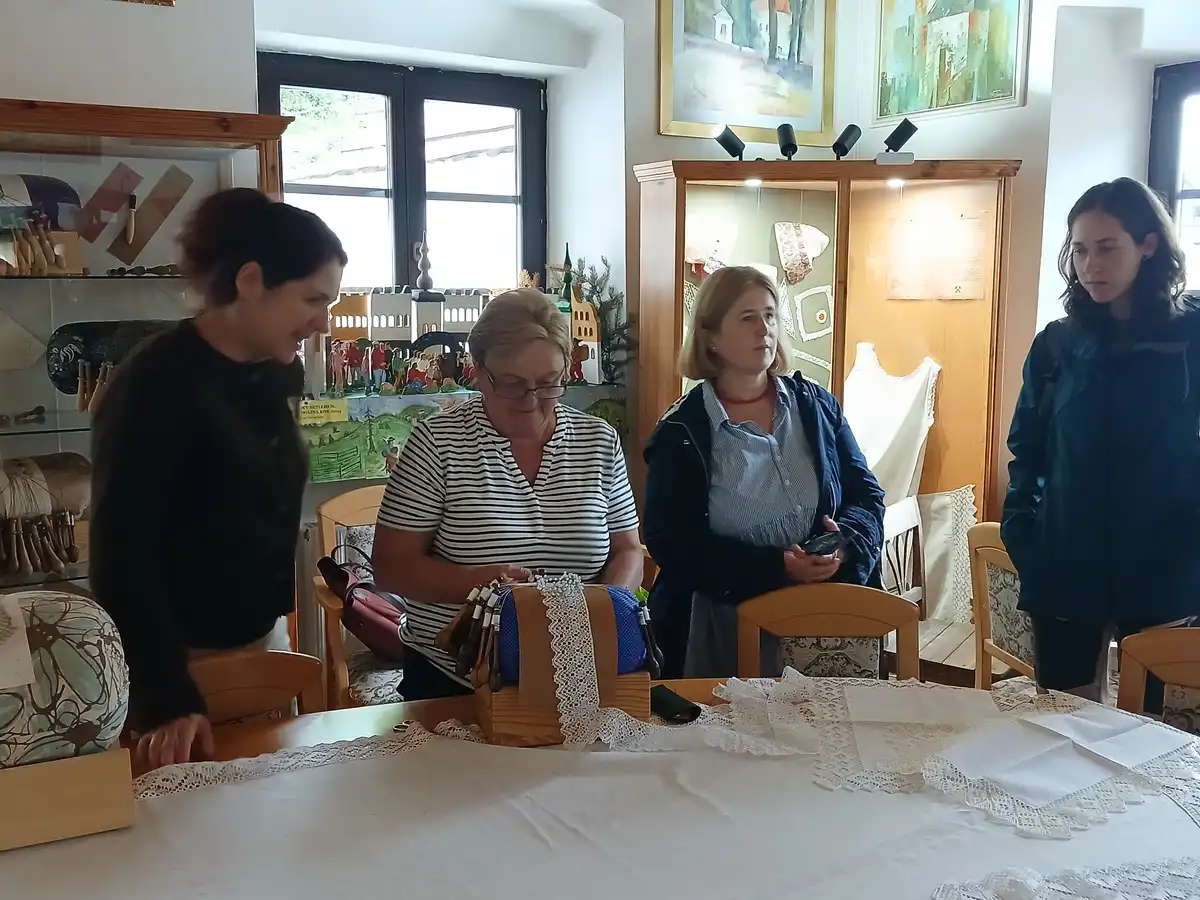
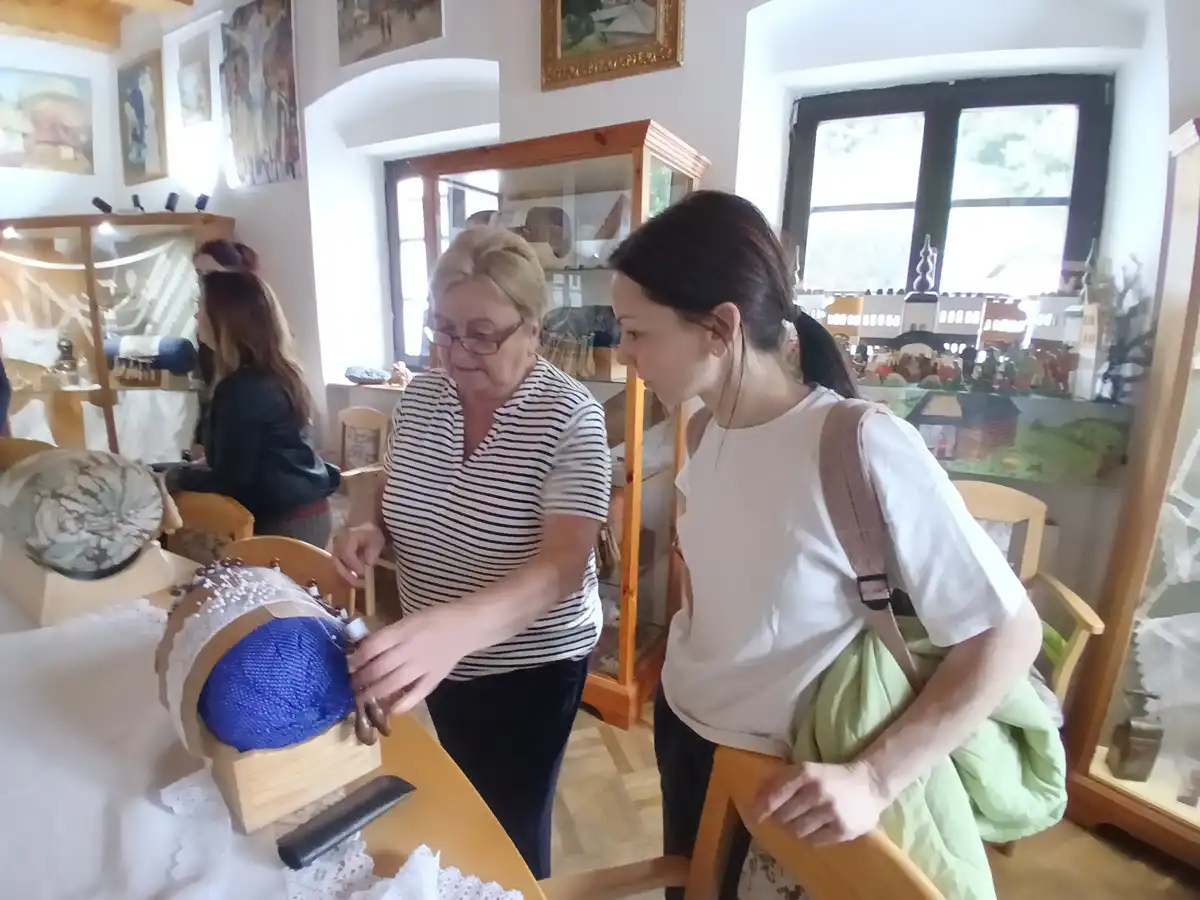
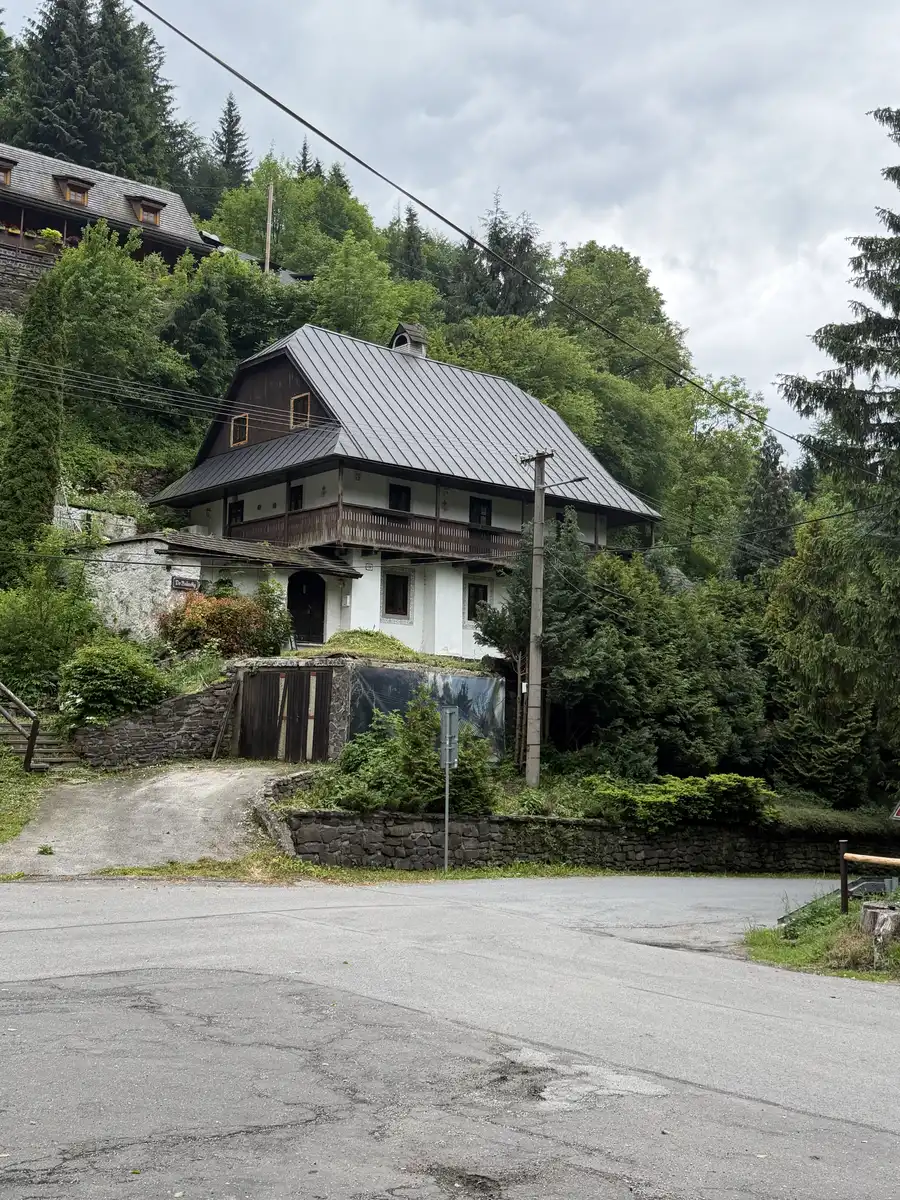
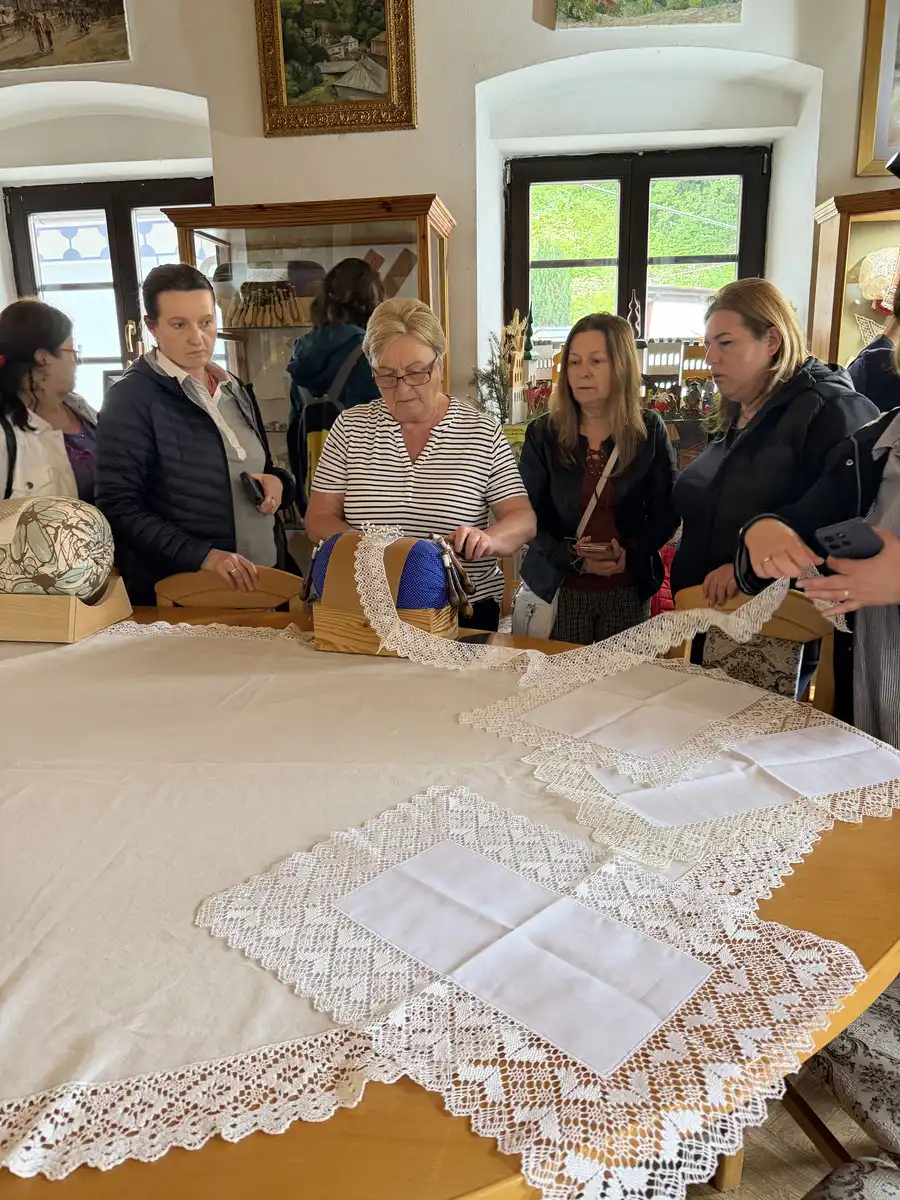
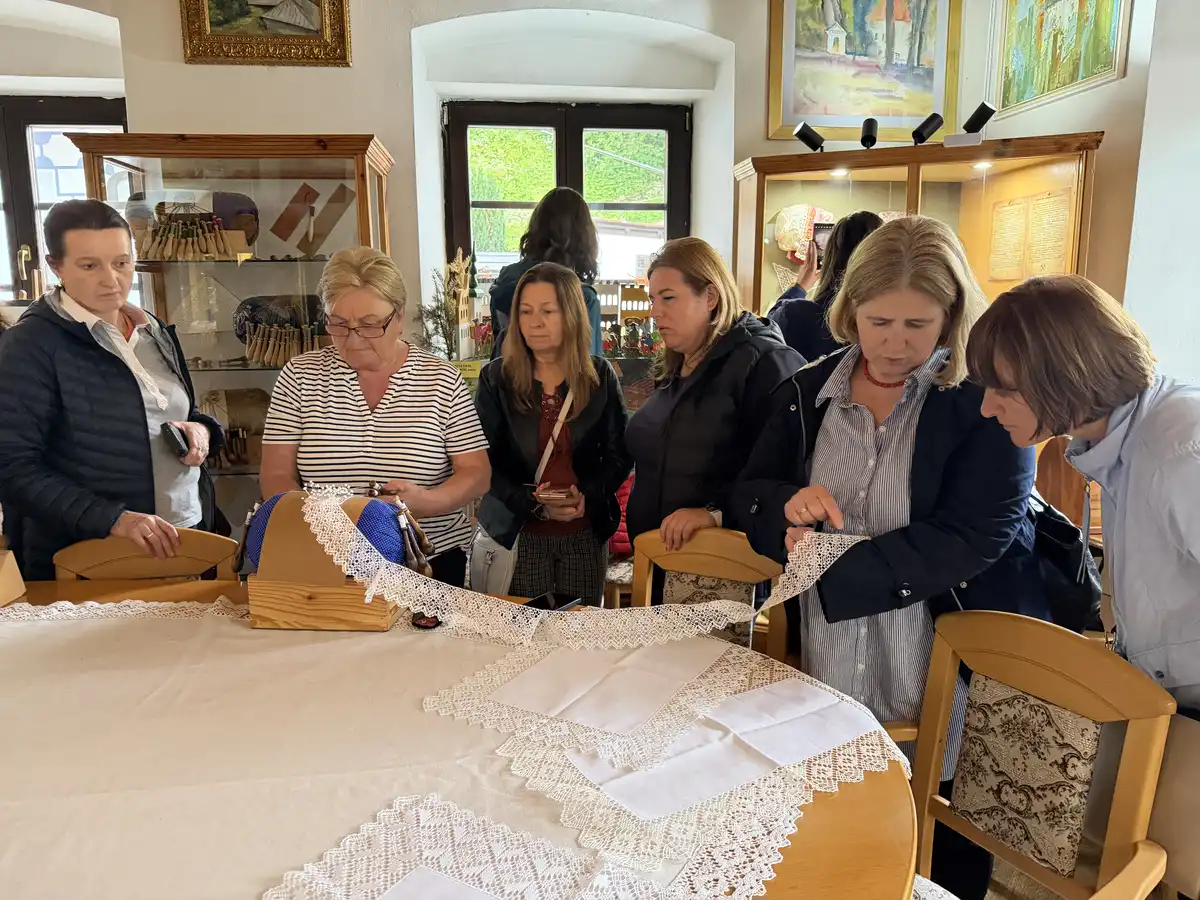
In the afternoon, participants visited the scenic villages of Špania Dolina and Staré Hory. These mining settlements are the cradles of lace-making in Slovakia. On-site, three or four remaining lace-makers in their 60s and 70s demonstrated firsthand how bobbin lace is made. Unfortunately, the younger generation is no longer carrying this tradition forward.
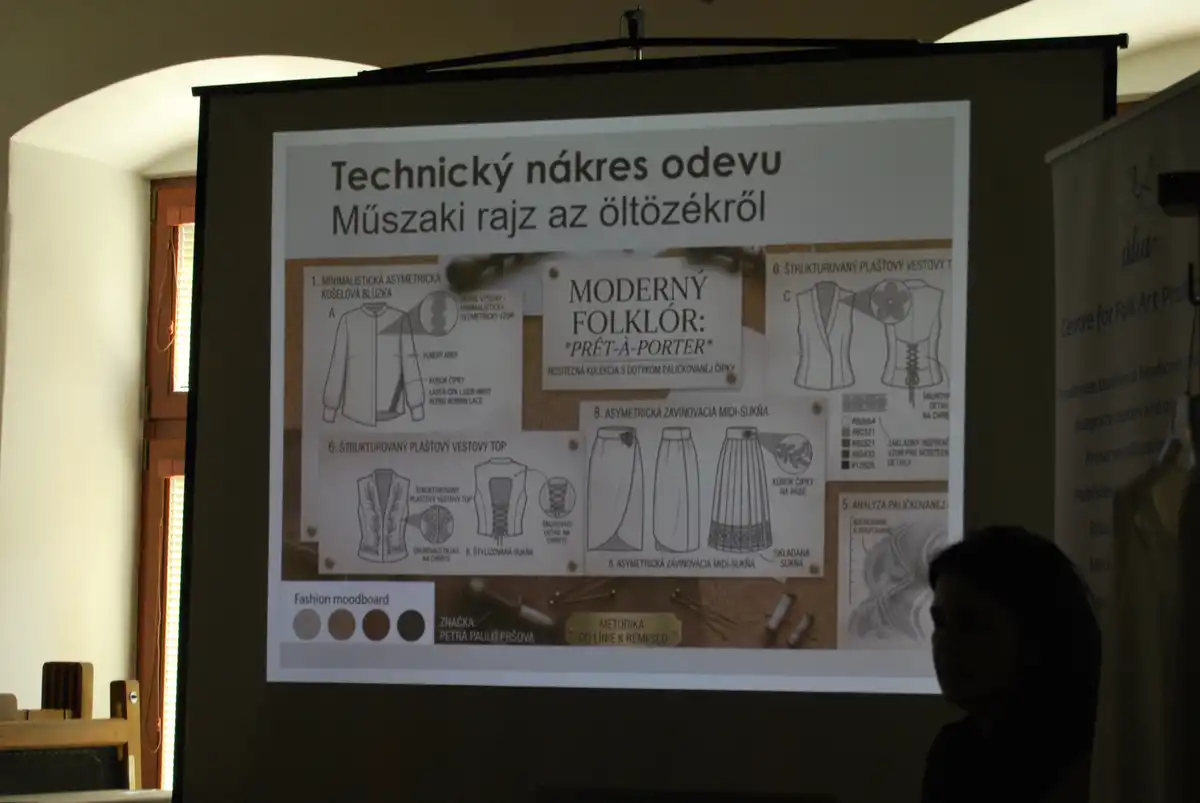
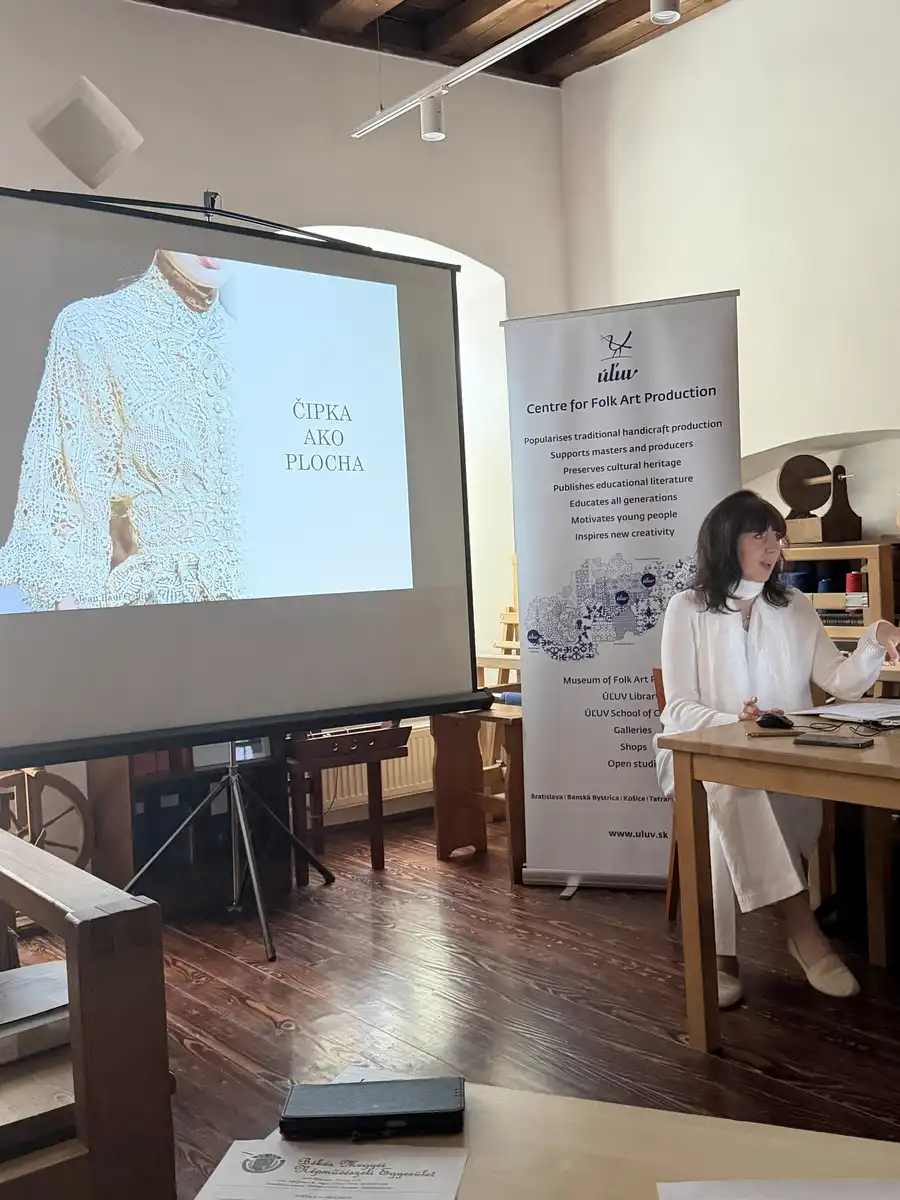
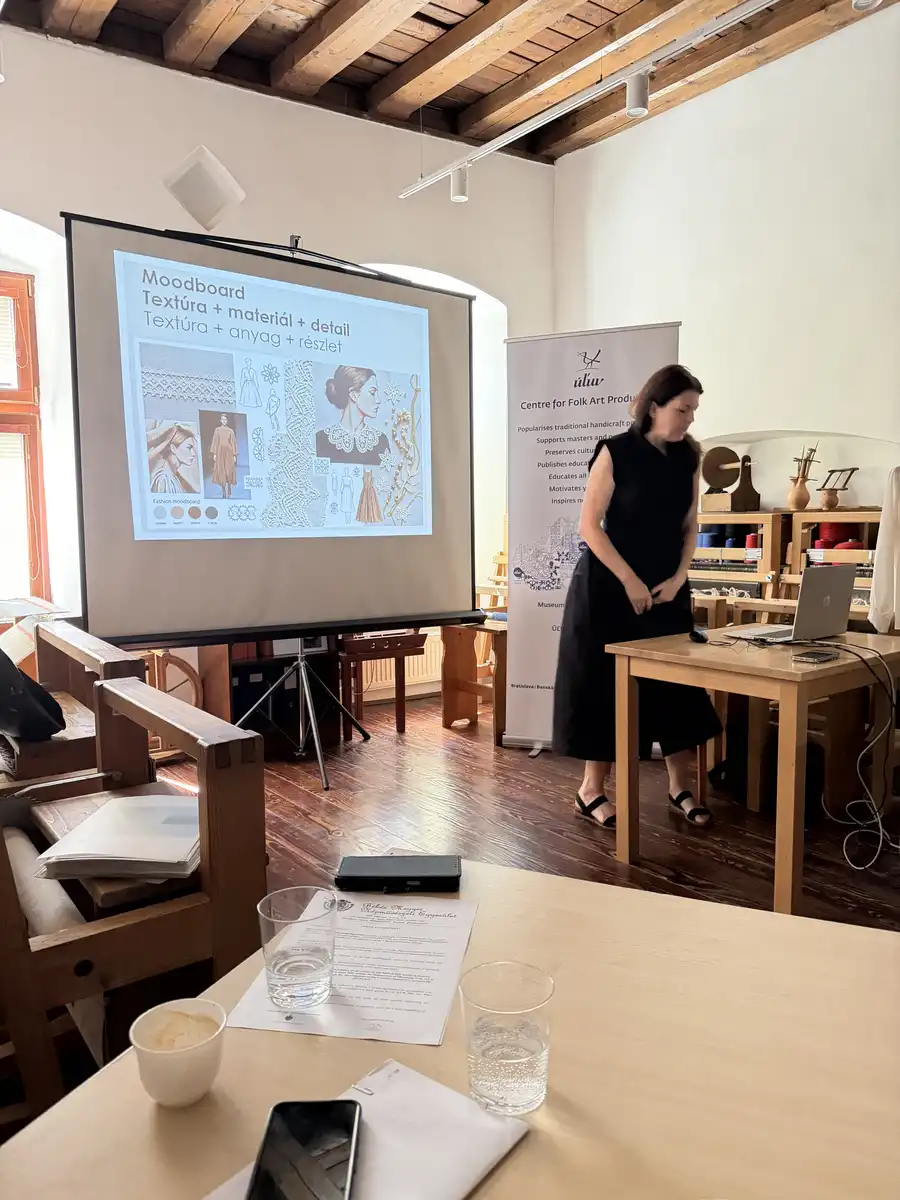
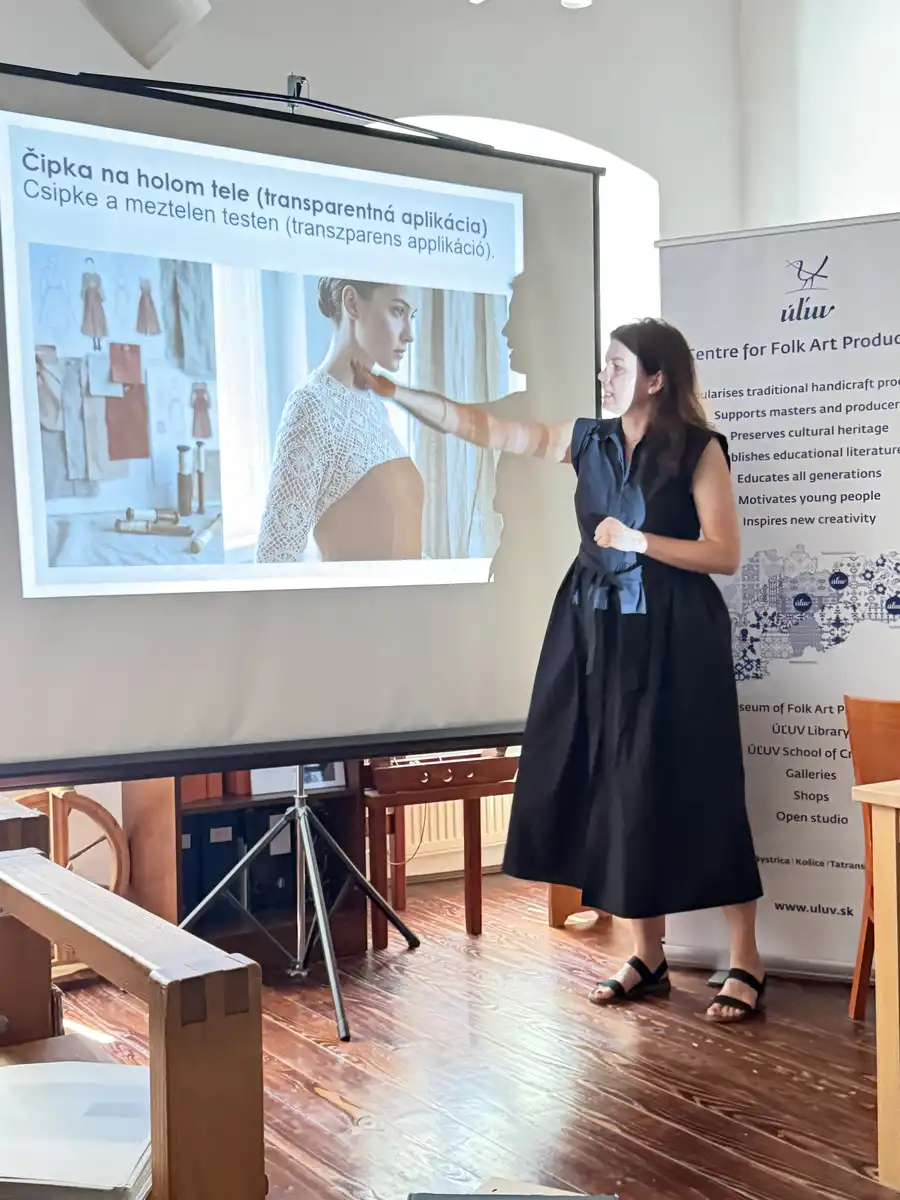
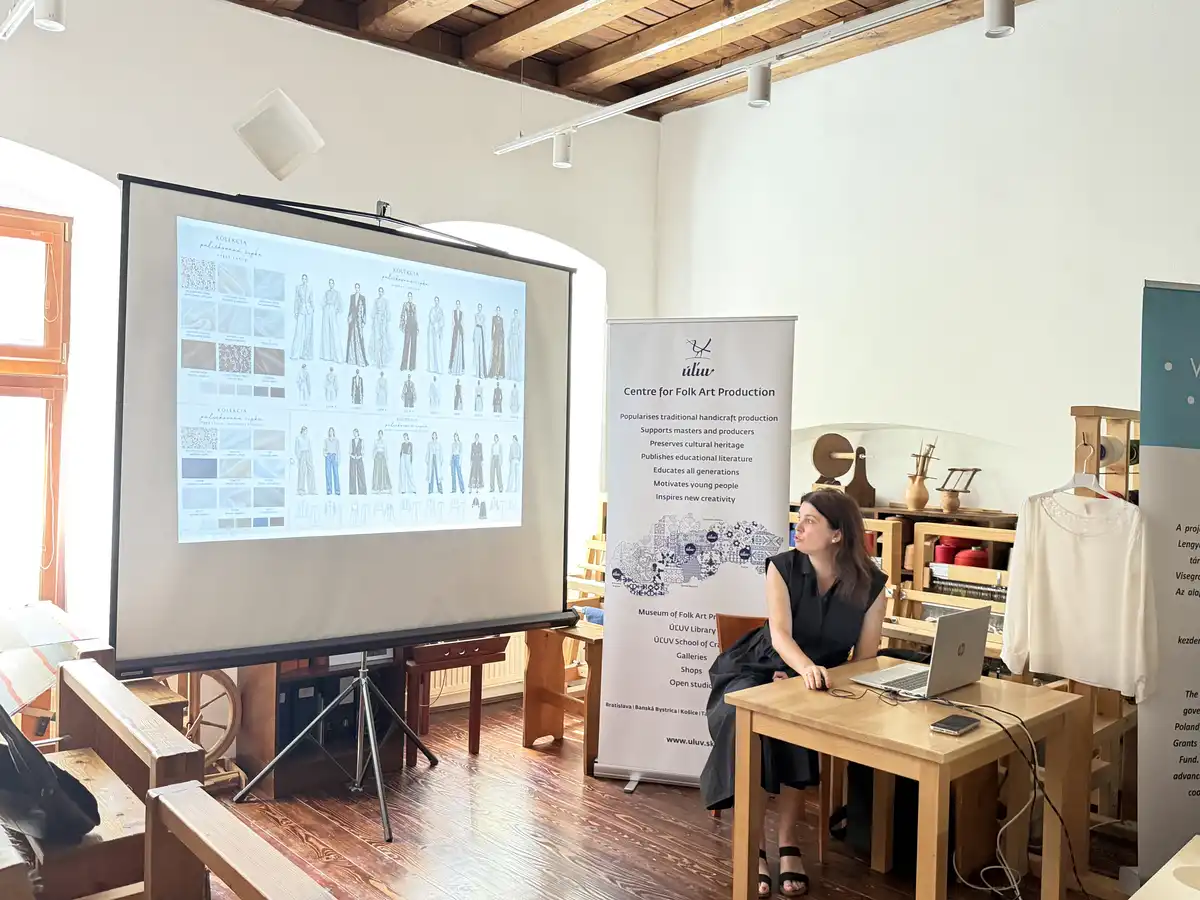
The third day began with a theoretical lecture on how lace lives on in modern fashion, ranging from Queen Victoria’s white wedding dress in the 19th century to Alexander McQueen’s gigantic lace motifs. The presentation demonstrated that lace is not merely a museum piece, but remains an active source of inspiration for contemporary designers today.
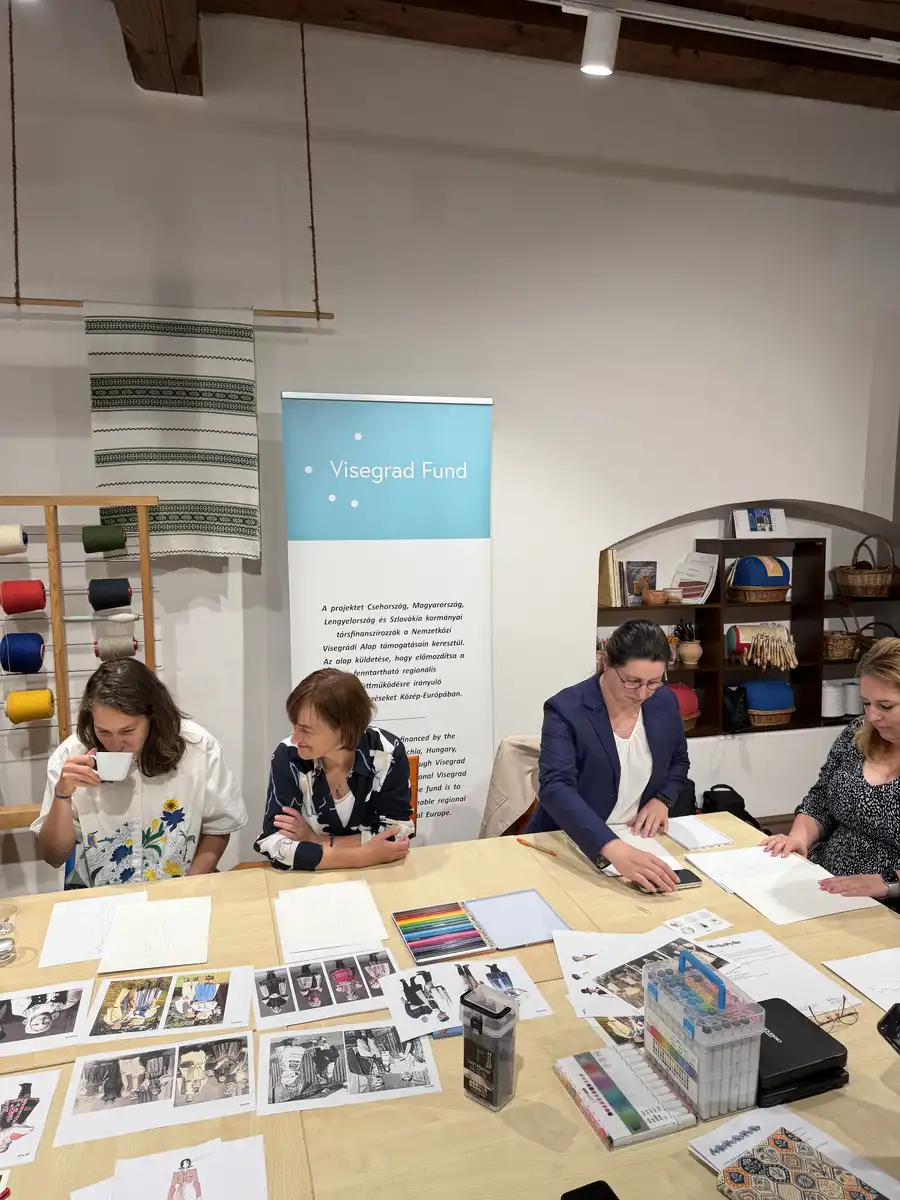
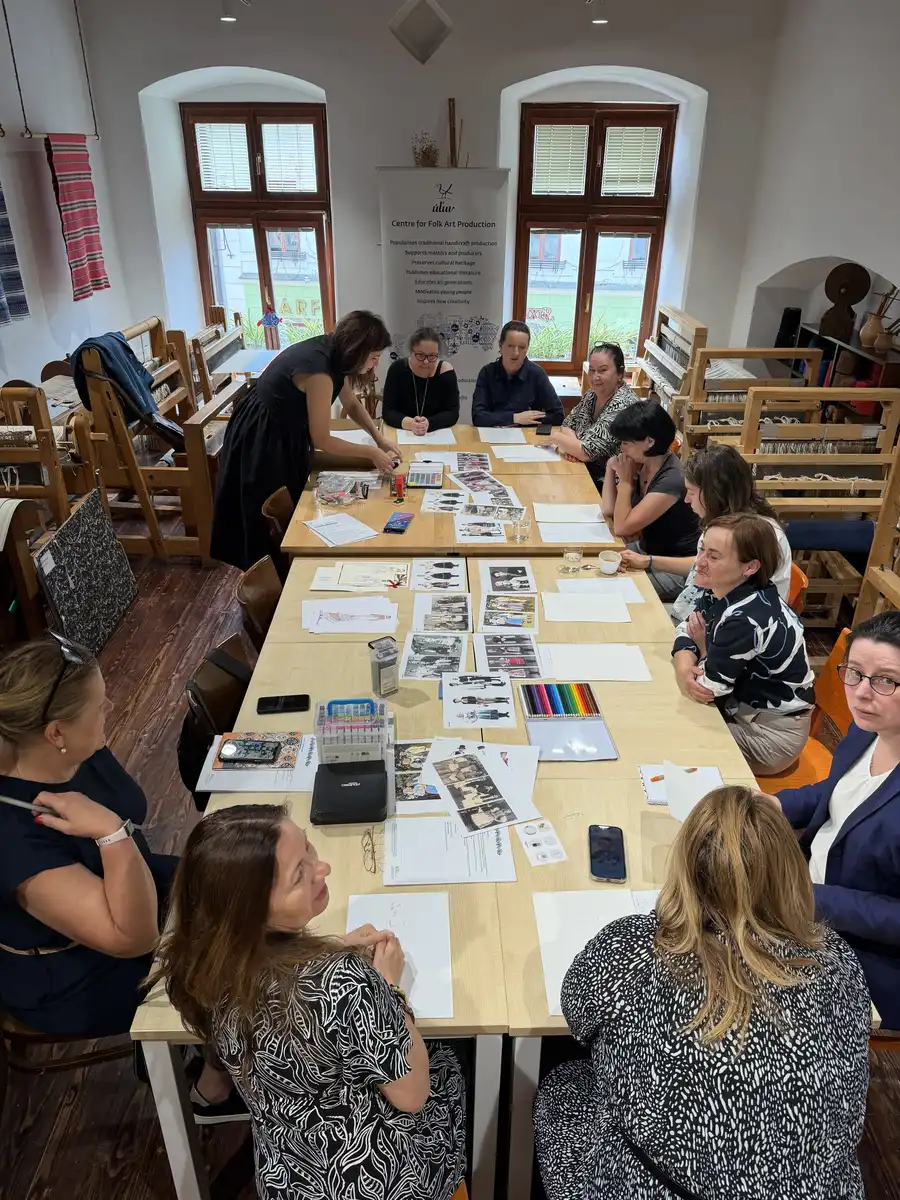
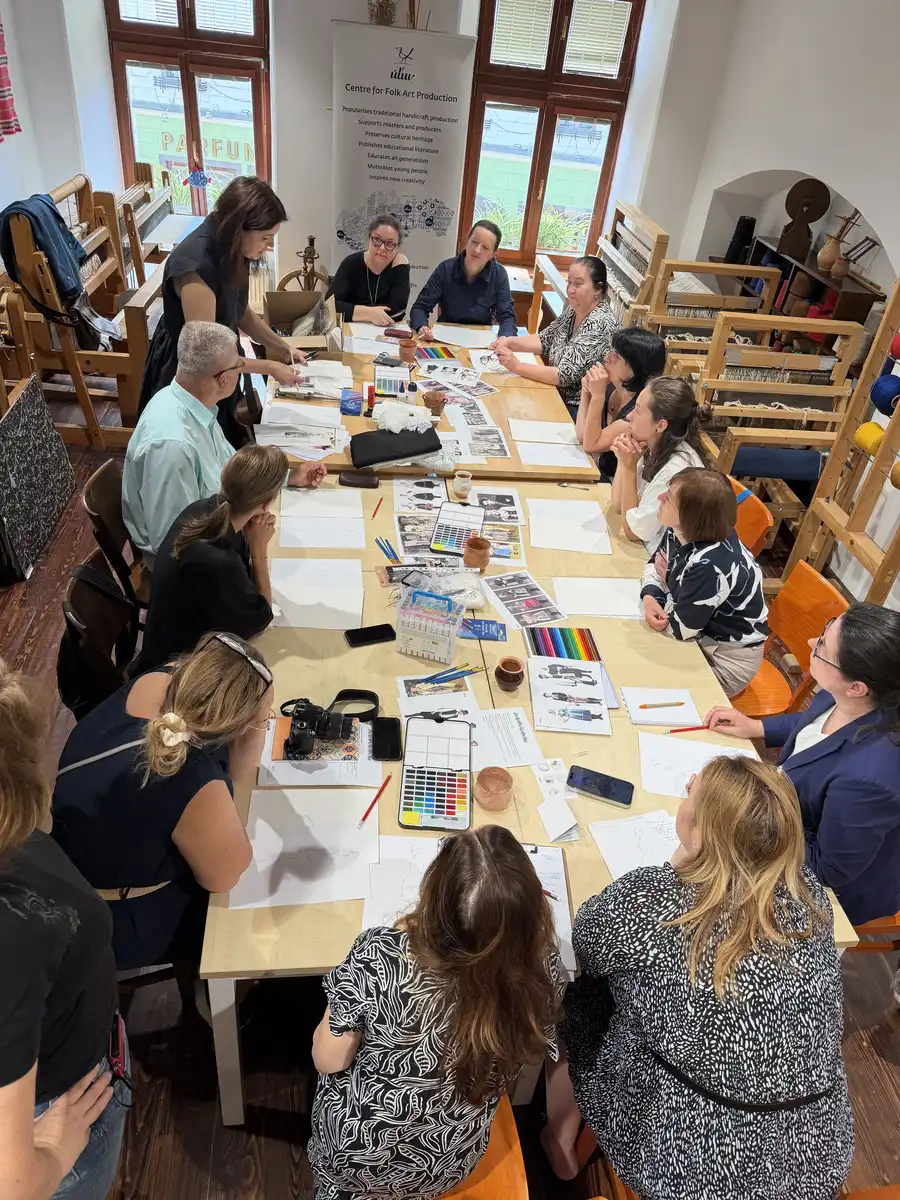
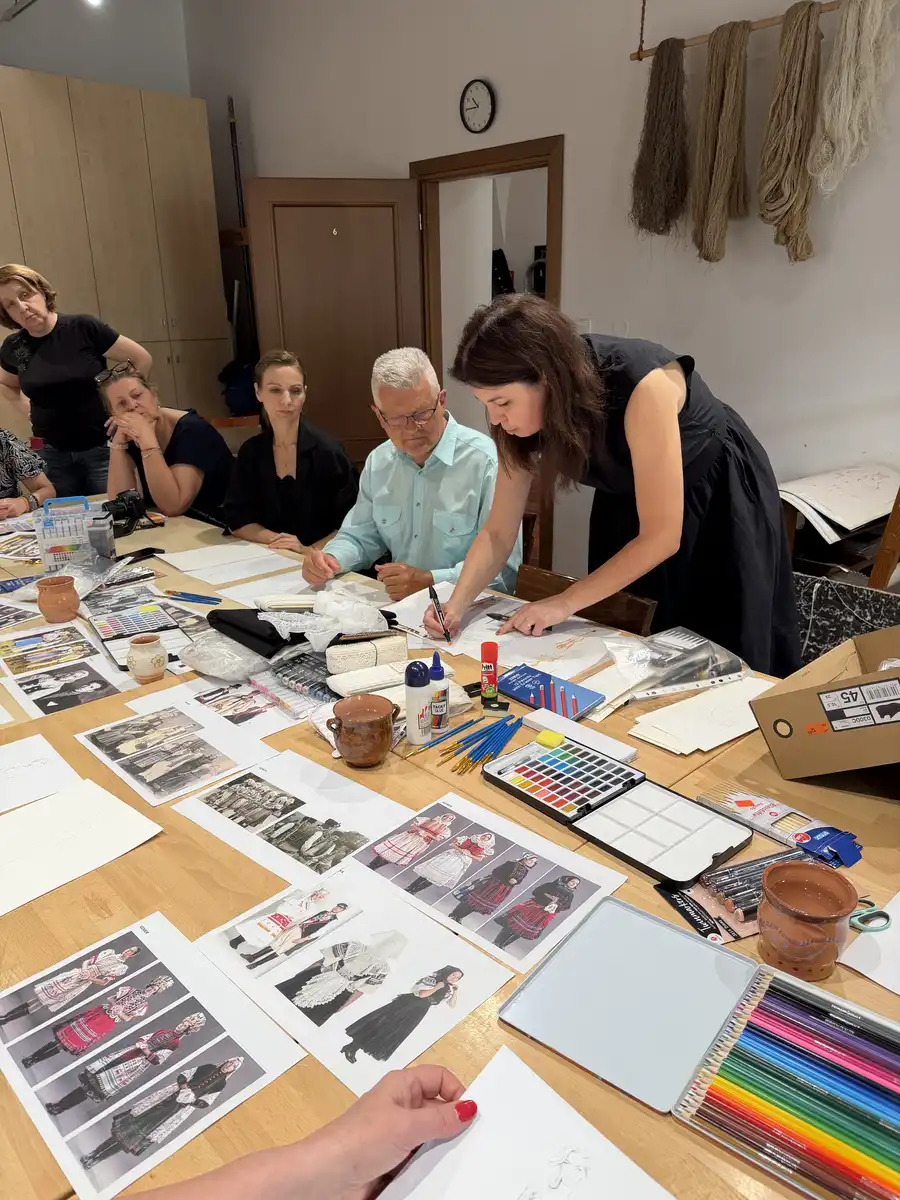
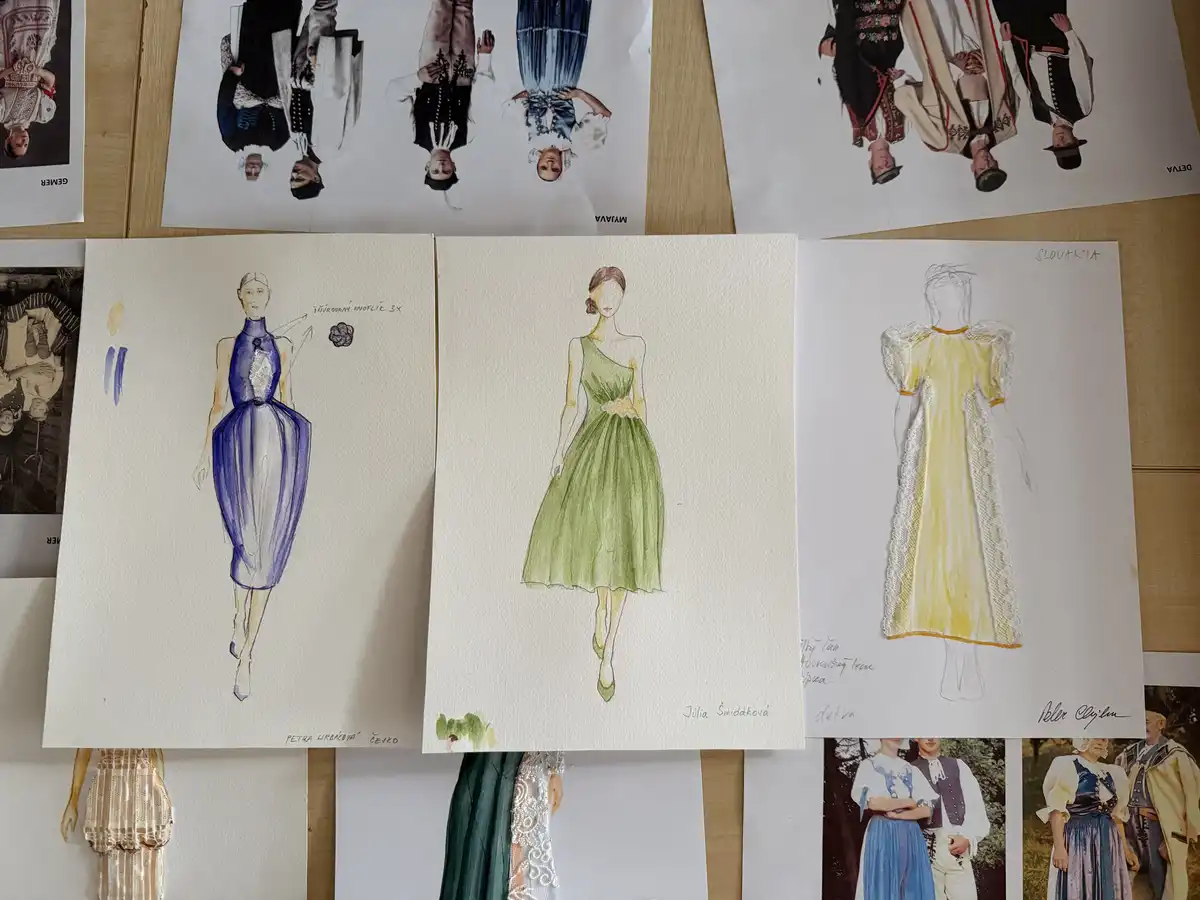
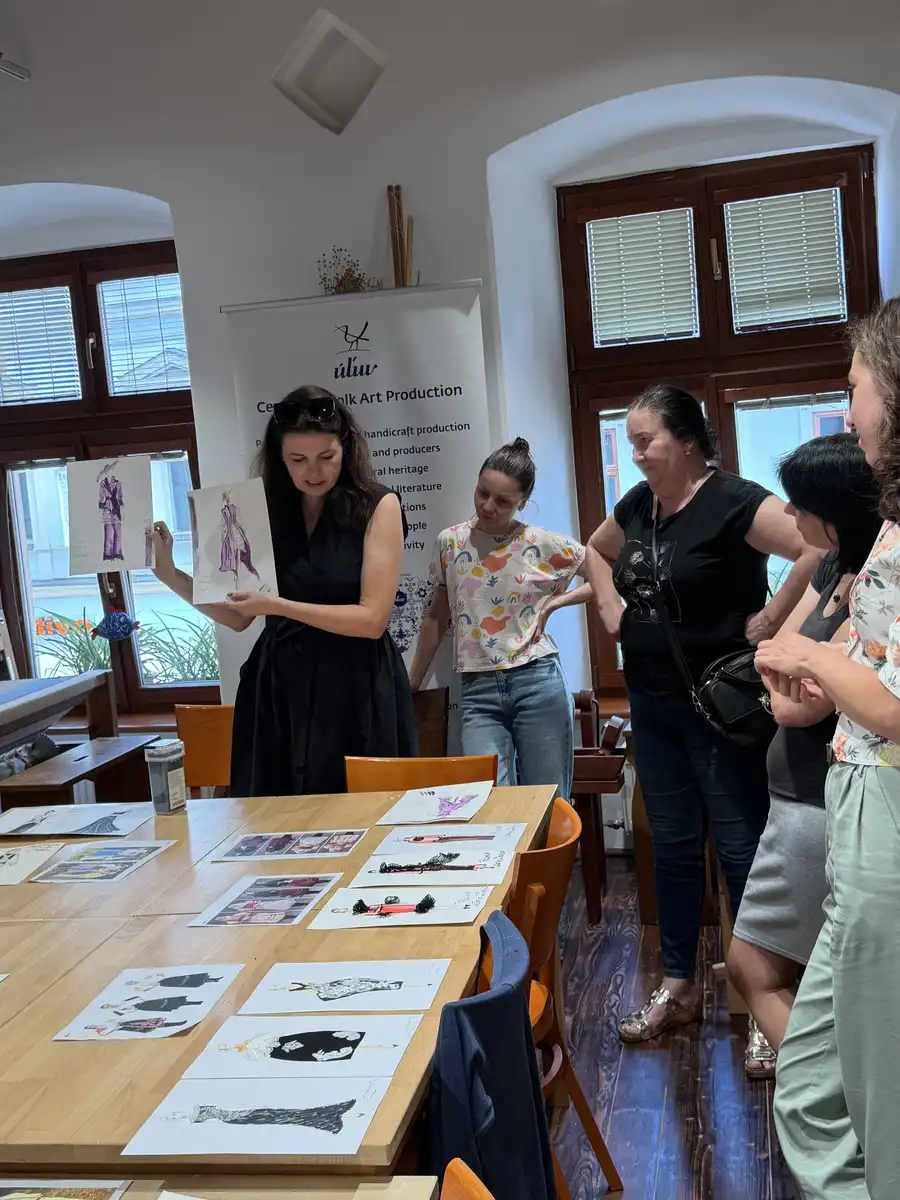
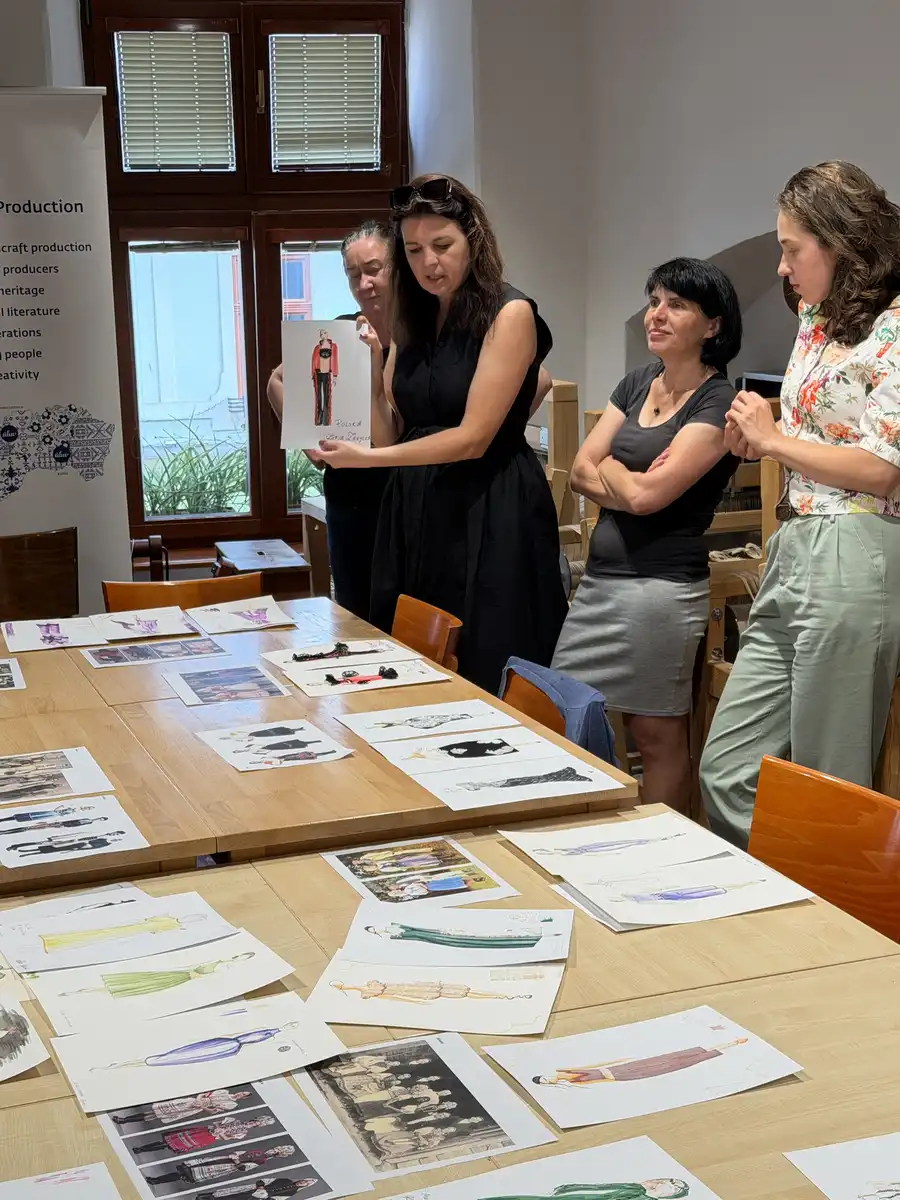
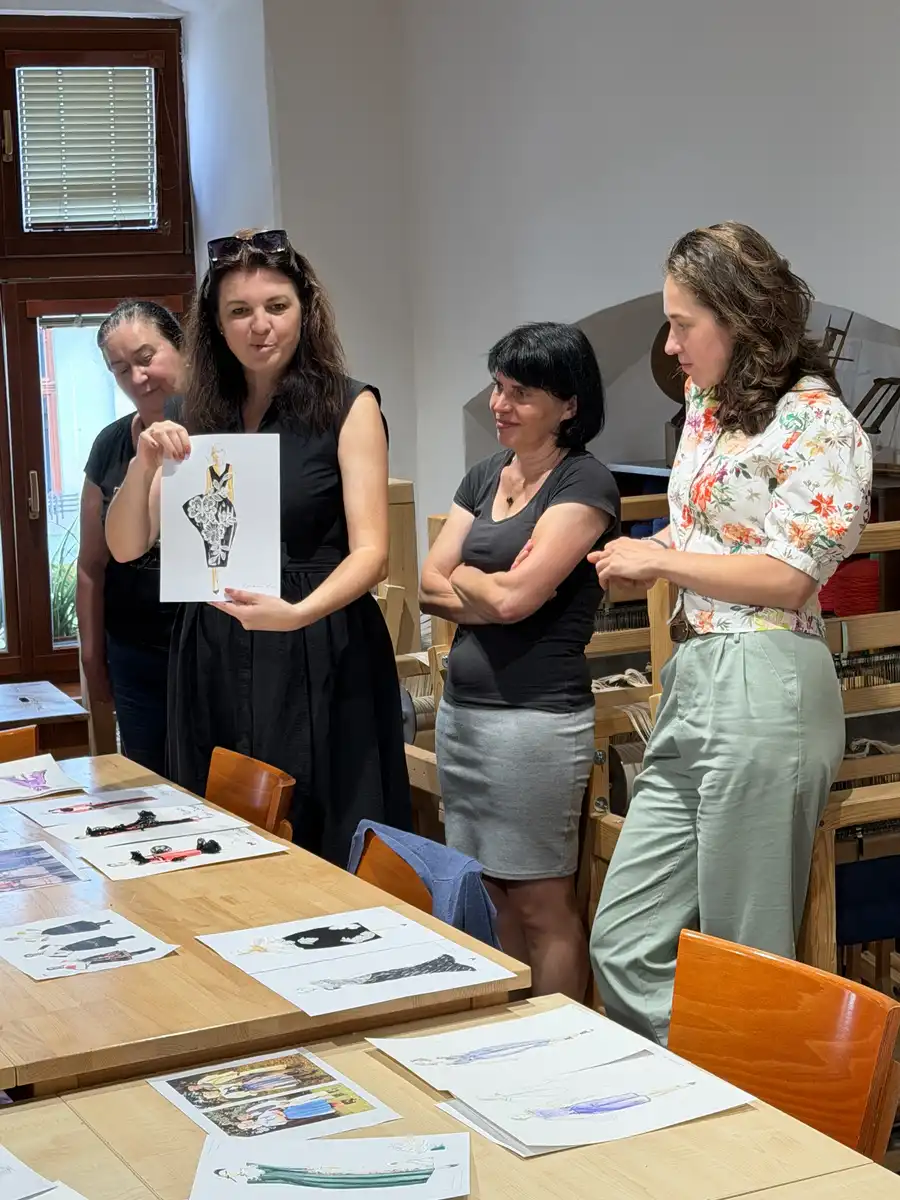
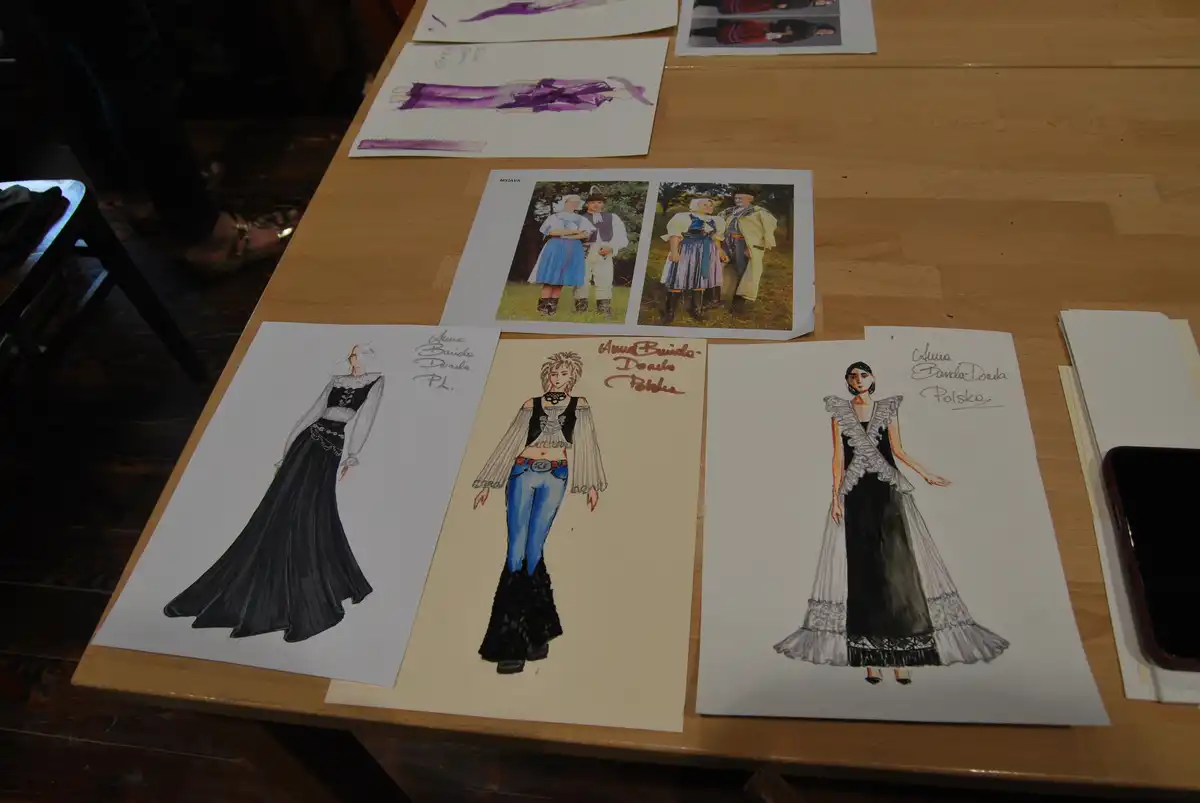
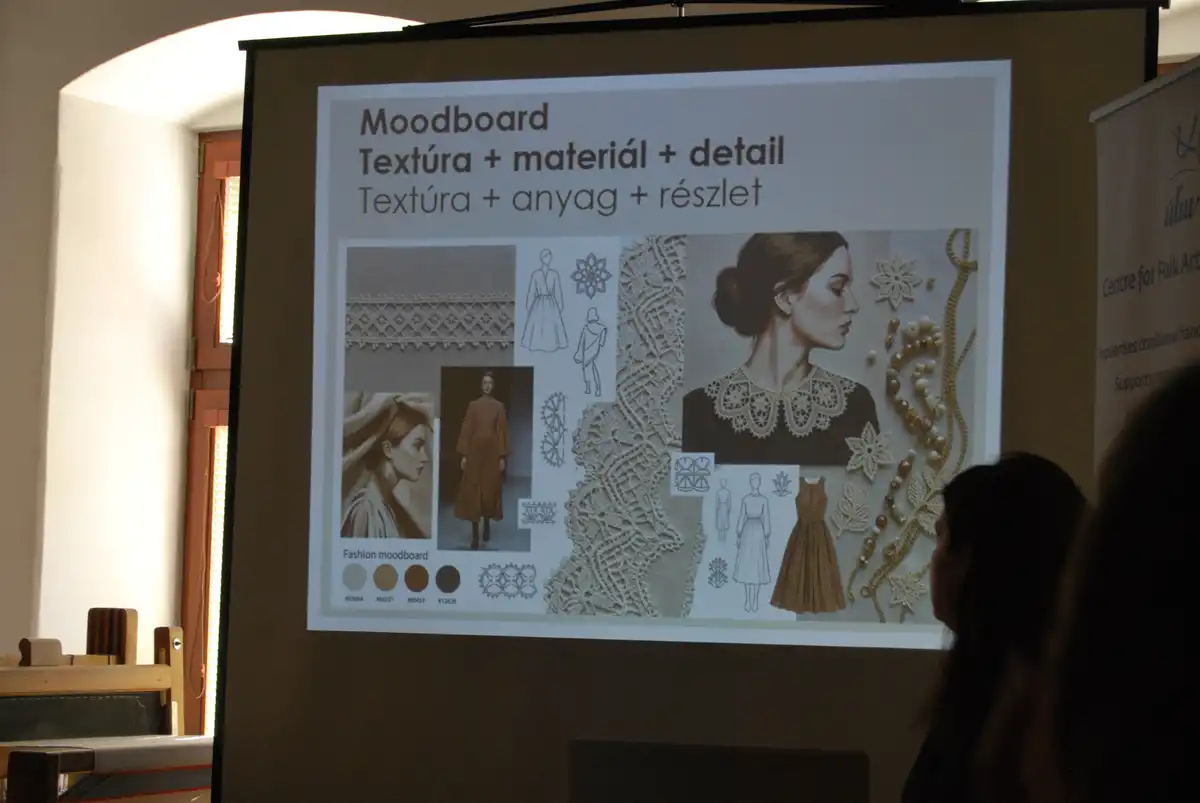
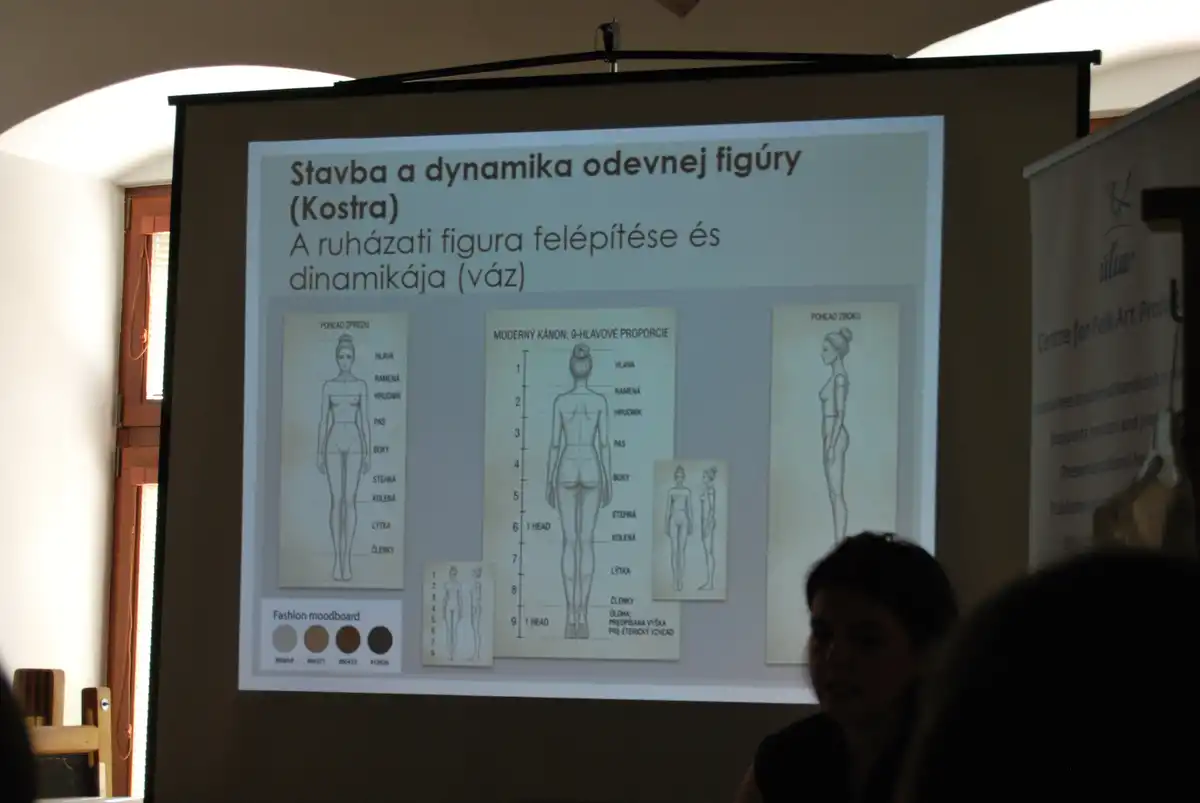
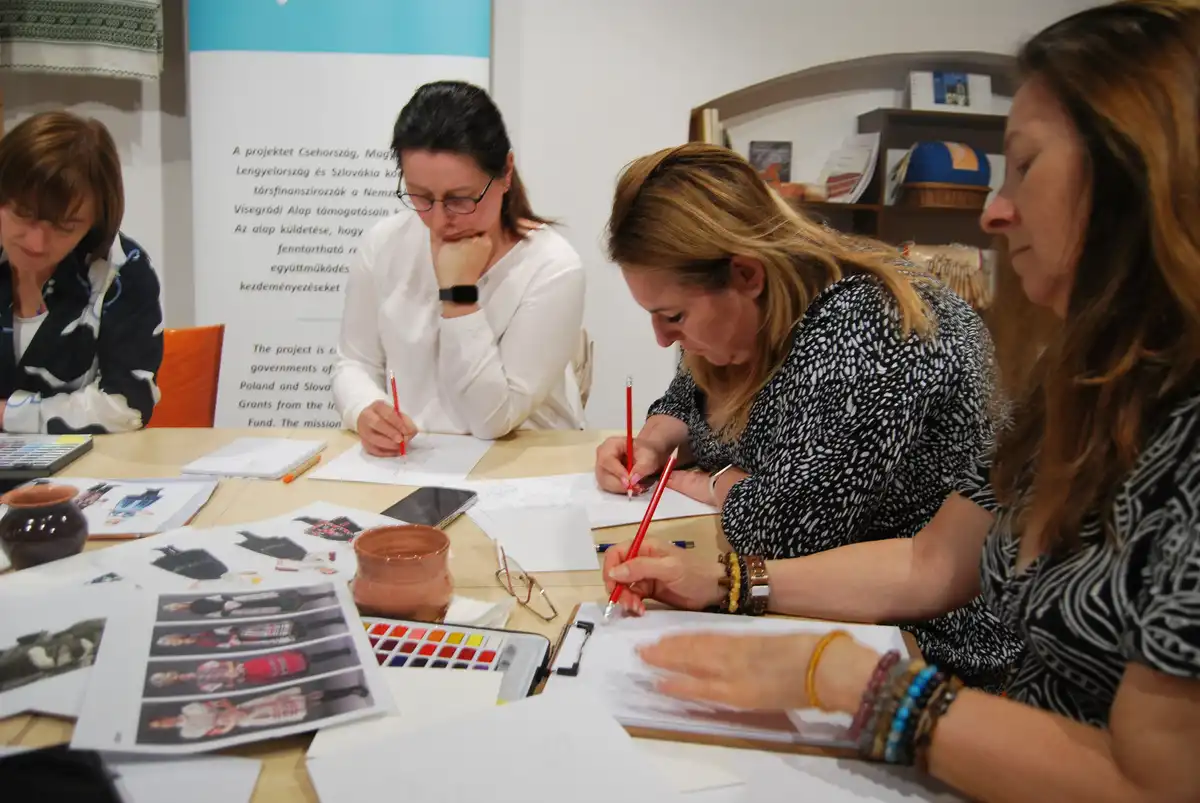
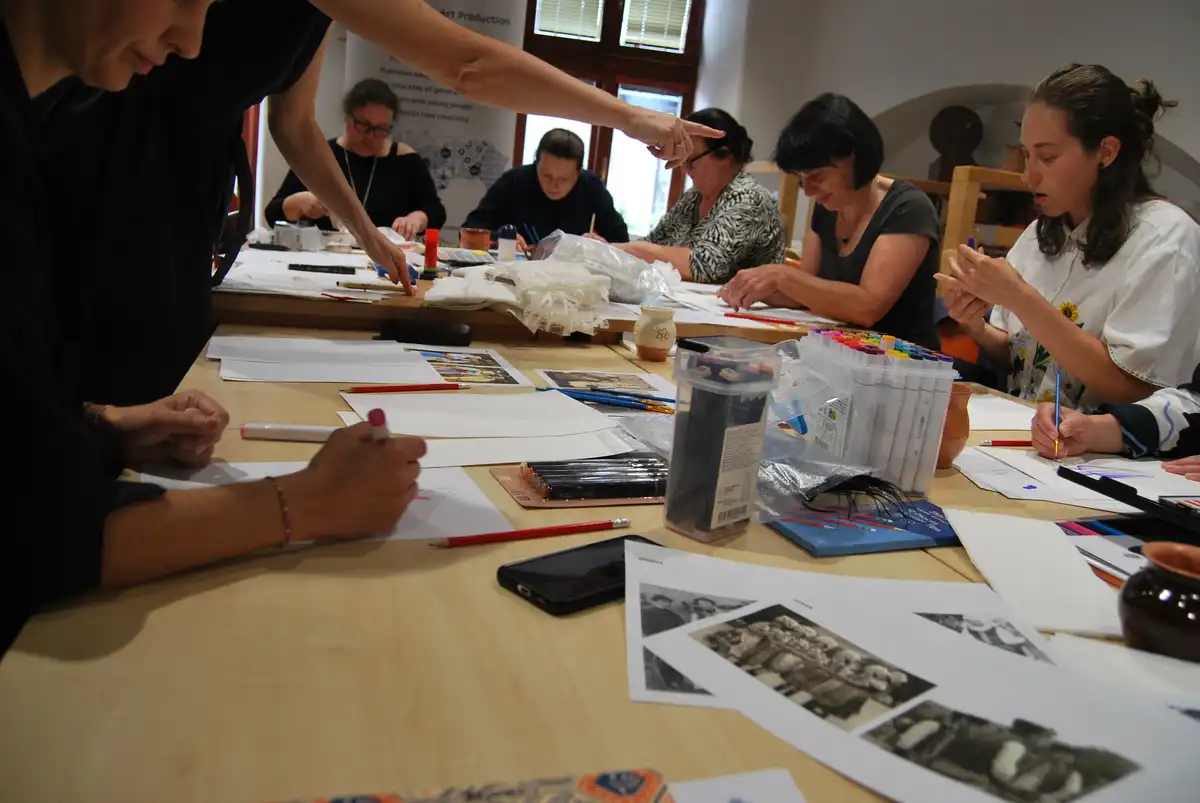
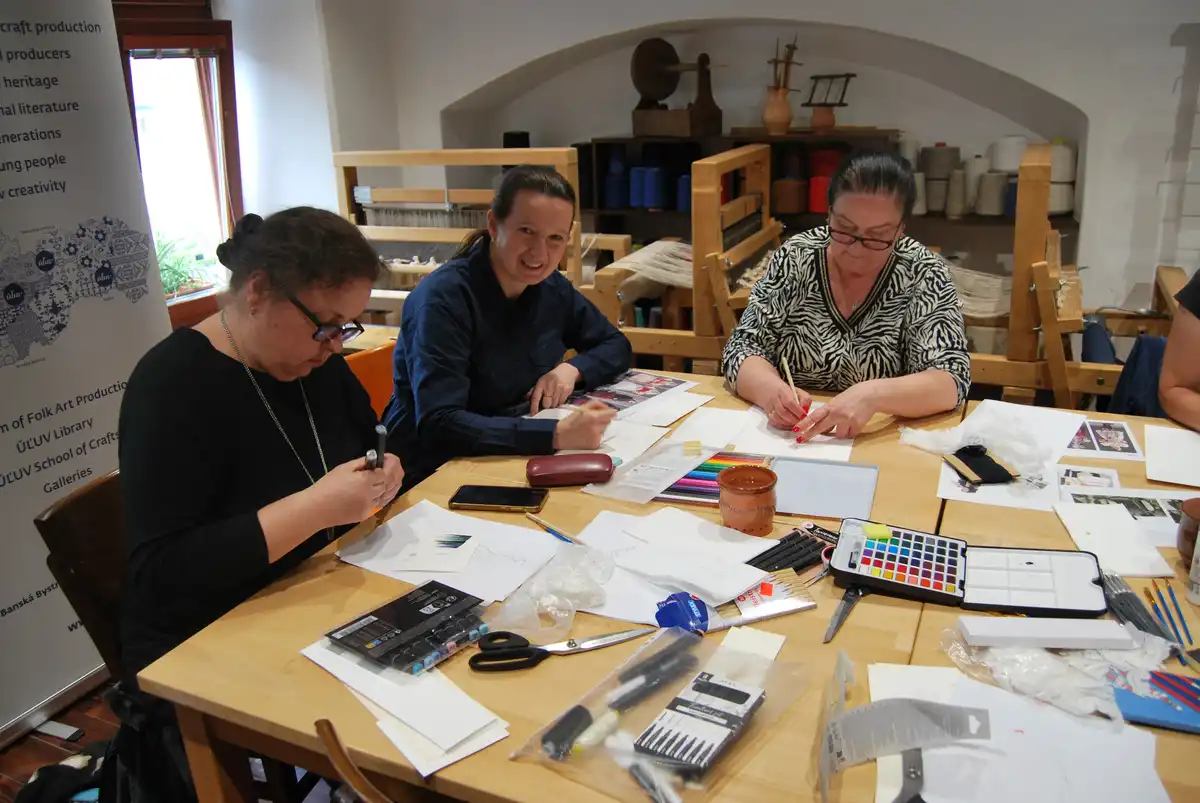
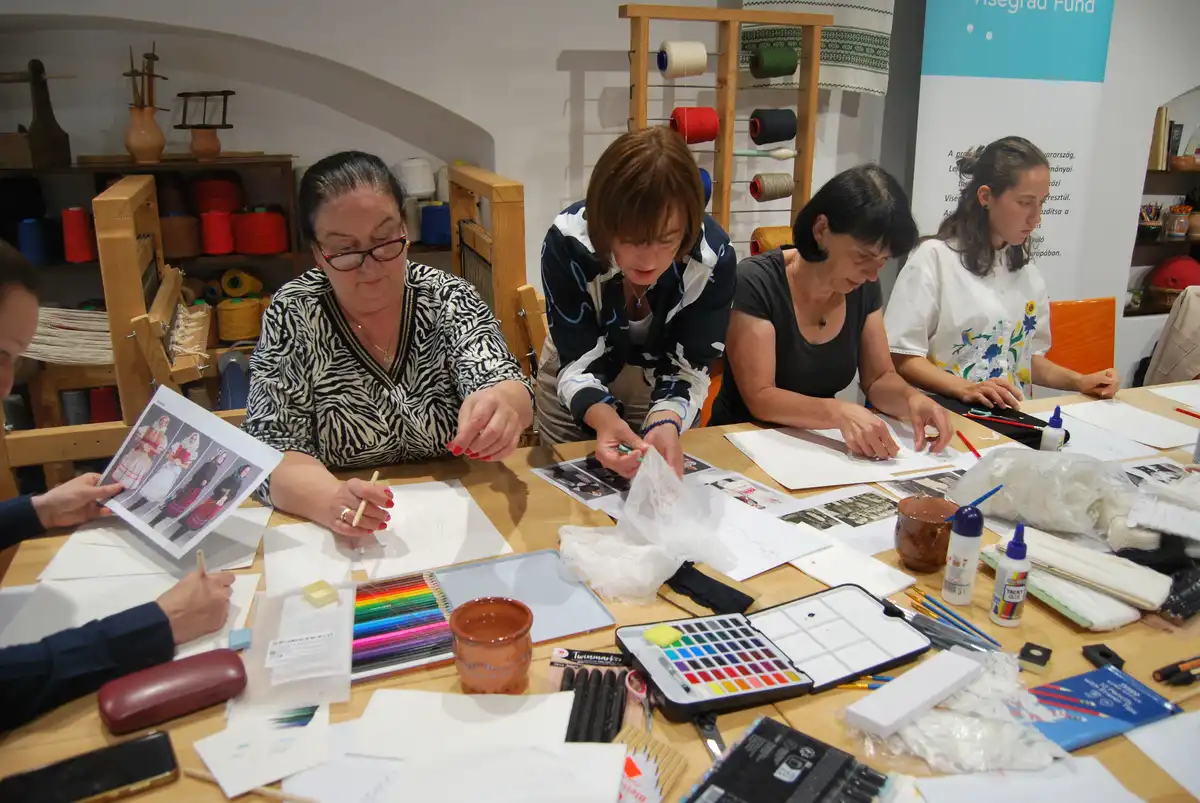
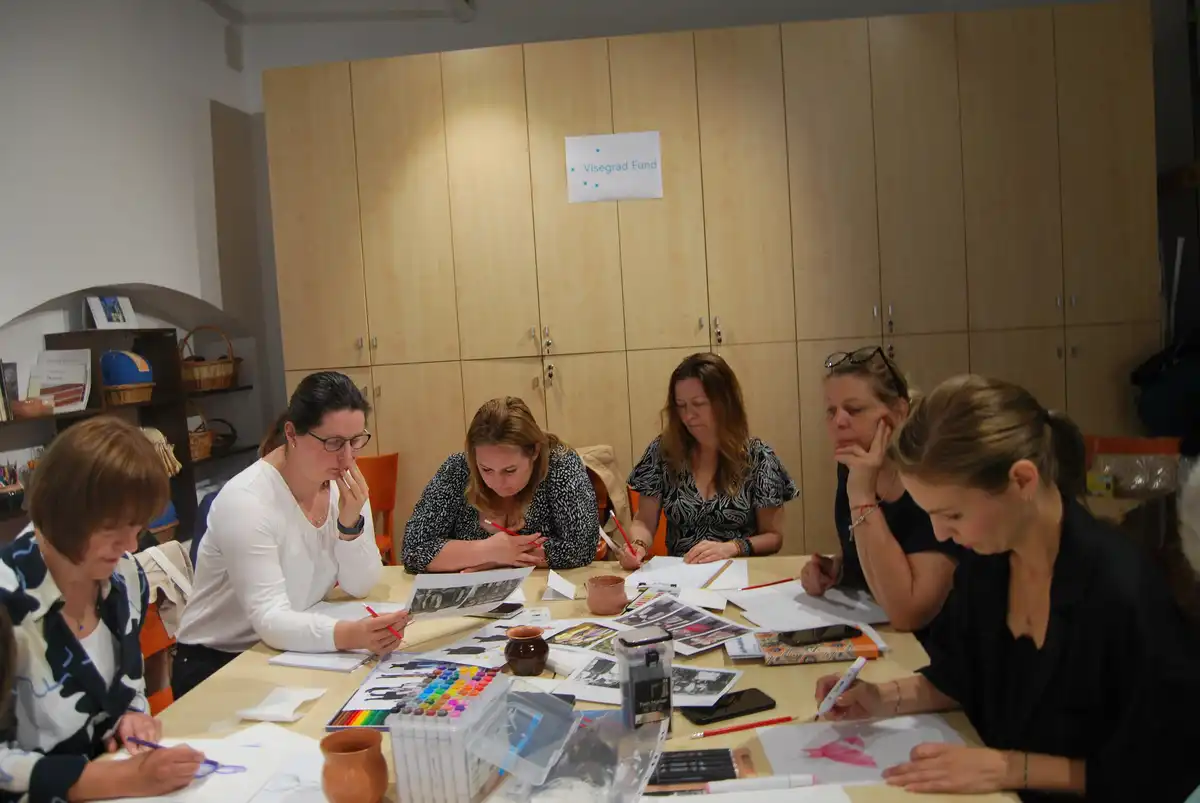
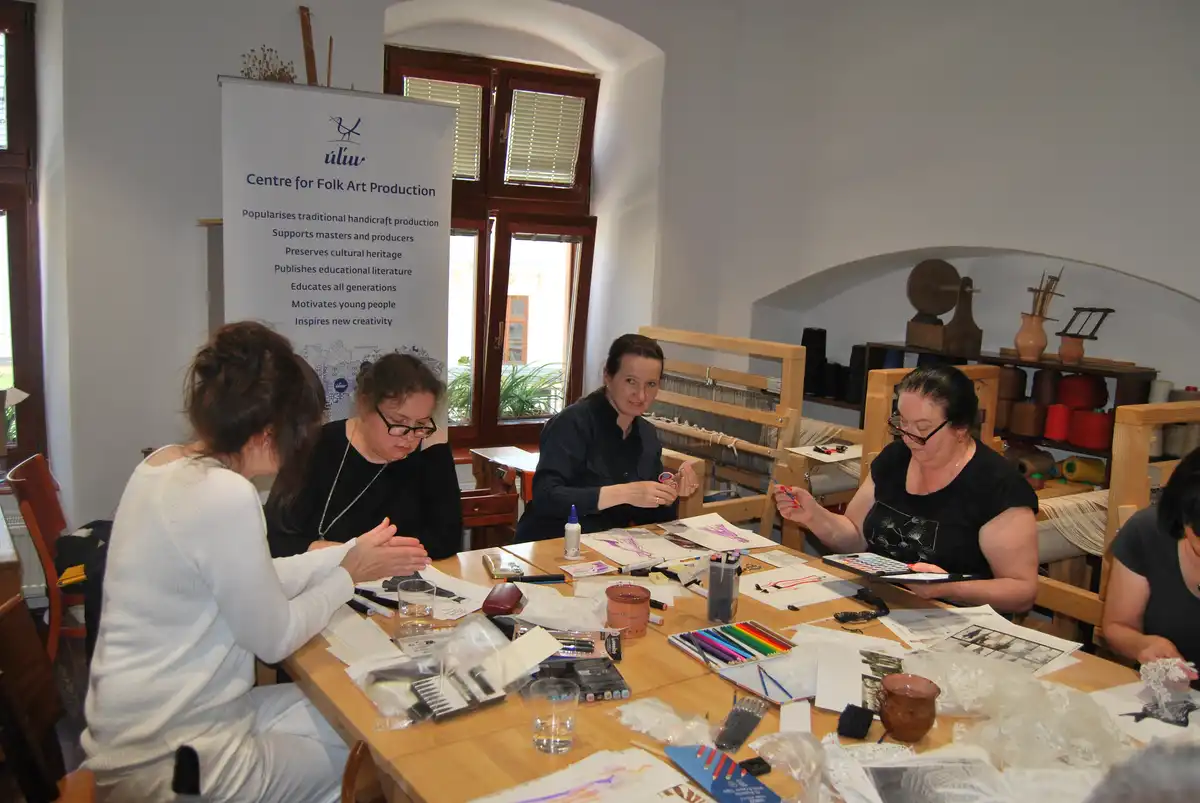
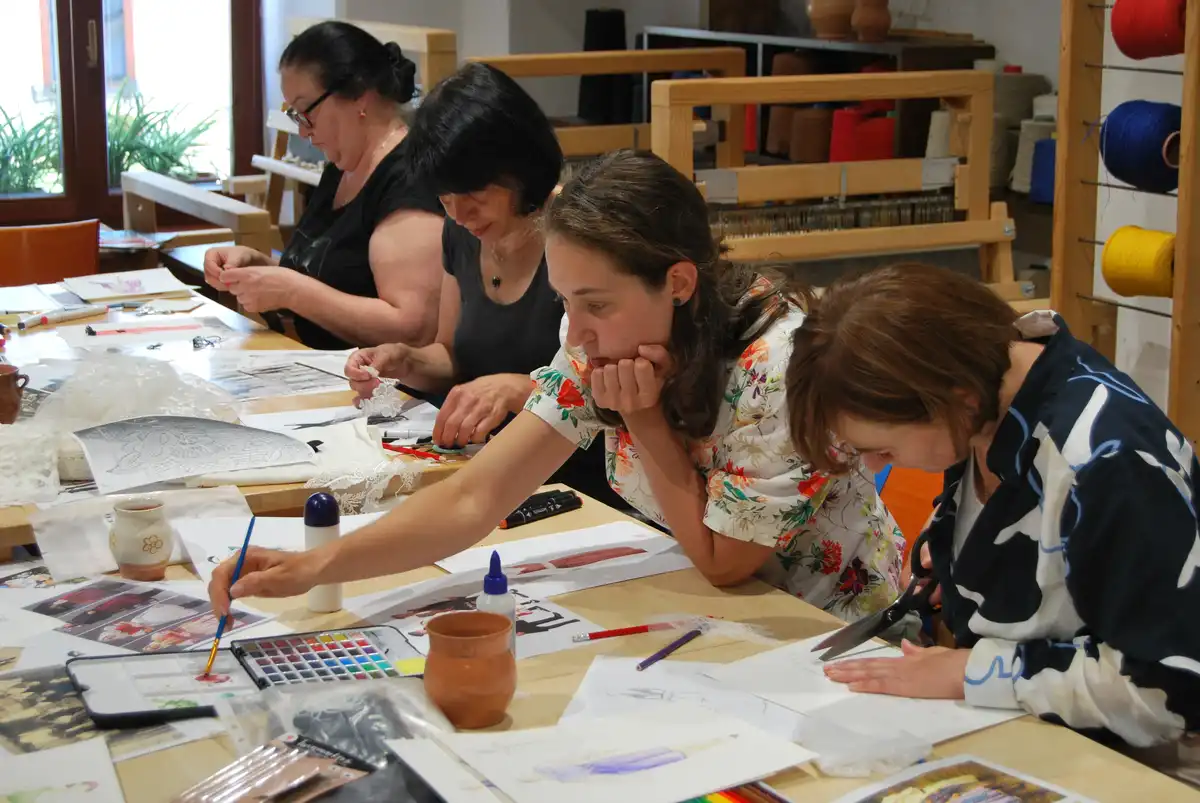
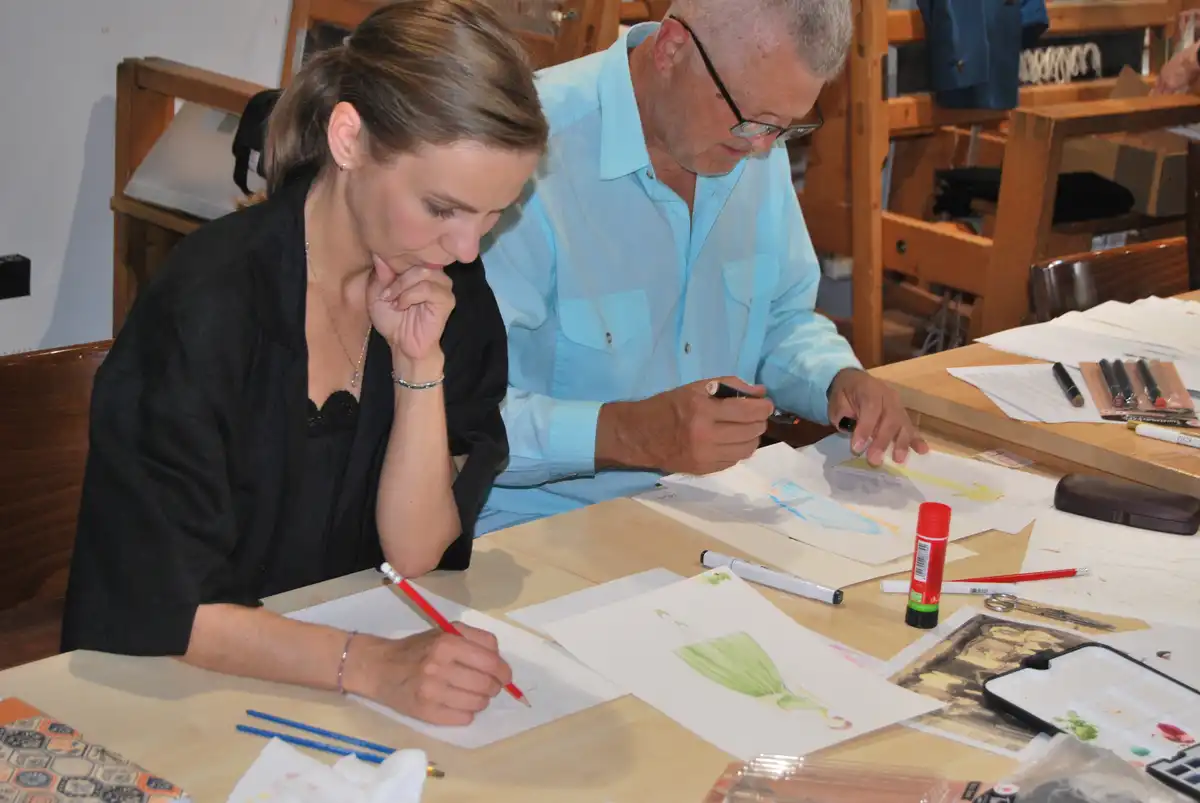
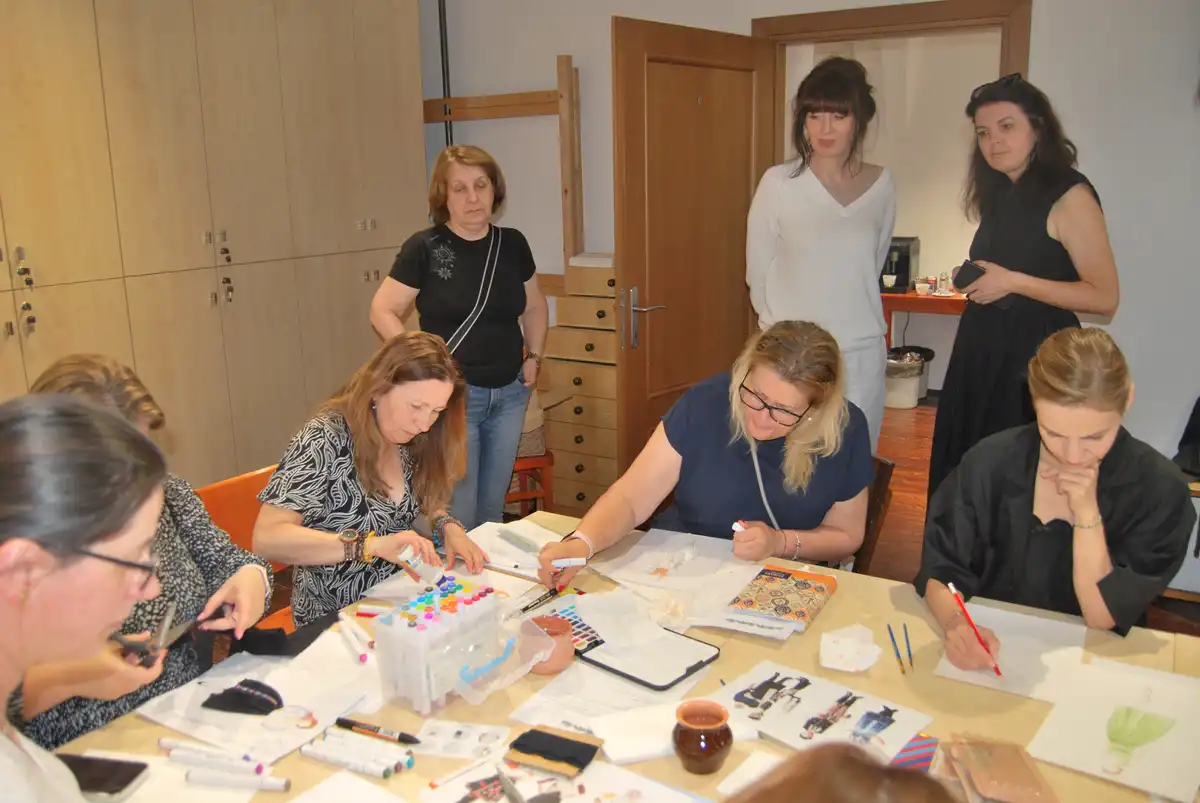
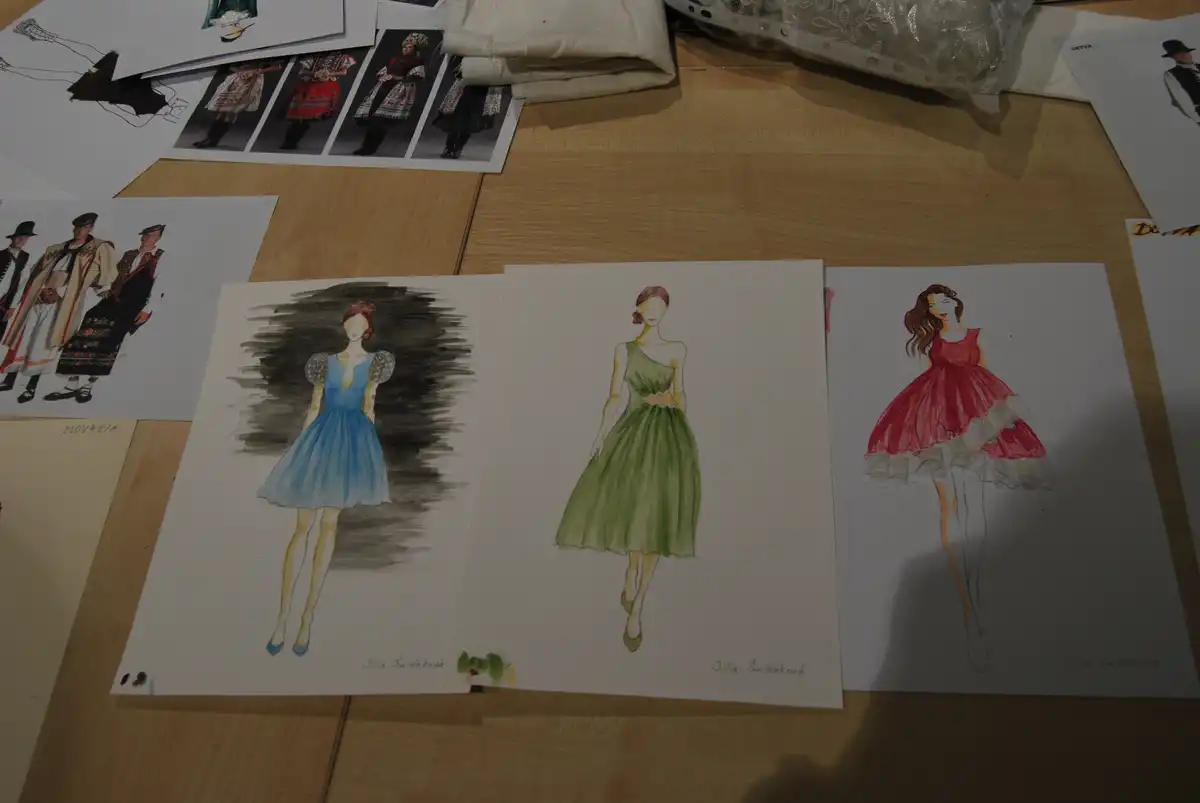
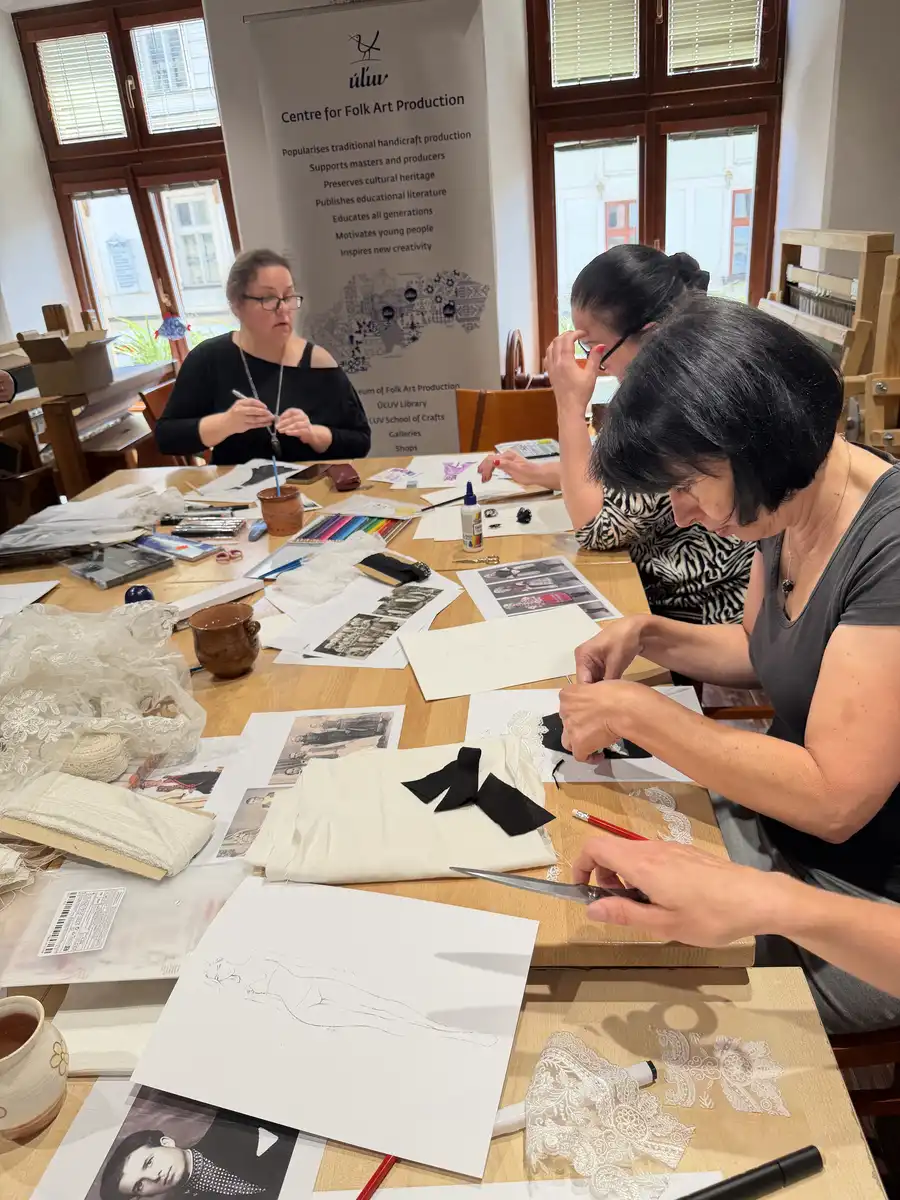
This was followed by a workshop led by Petra Pršová, a fashion designer and educator from Trenčín. During the session, participants compiled mood boards, drew fashion figures, and designed a mini collection incorporating the lace motifs they had learned about.
Key takeaway: Participants particularly appreciated that the designer acted simultaneously as an educator and a creator. This duality demonstrated how traditional motifs can be elevated into modern fashion—not as mere imitations, but as organic components of a new creation. The participants would have gladly listened longer to the theoretical segment, which covered the logic of collection design and the assembly of inspiration walls.
During the design workshop, four participants created a total of nine designs. The attendees were especially grateful to the organizers for the bilingual presentations, which greatly helped overcome language barriers.
The participants from the four countries returned home with diverse experiences, each capturing a different element of the Banská Bystrica workshop. While this meeting was only the second stop in the series, it is already clear that each country emphasizes a specific element when exploring regional costumes: Hungary: Embroidery, Slovakia: Lace, Czech Republic: Blueprint (kékfestő / modrotisk) and Poland: Broderie anglaise (madeira technique).
The majority of the attendees were returning participants, meaning there is already a shared foundation and mutual trust. Both the Polish and Czech groups included individuals who had already attended the first meeting in Békéscsaba, and they naturally motivated the newcomers. This continuity gives the project its true value.